
Where after Seoul? Choose Gangneung, Gyeongju or Jeonju by what you love
Coffee by the sea, walks beside ancient tombs or soup for breakfast: three ways to choose your next Korean city.
Find something to see, taste or bring home from each destination.
A view, a meal, a gift for the journey home. Choose a story for your next trip.
Coffee by the sea, walks beside ancient tombs or soup for breakfast: three ways to choose your next Korean city.
Bias Trip: Busan for Jimin and Jung Kook, Daegu for SUGA and V, and Gwangju for j-hope. Discover food and neighbourhoods along the way.
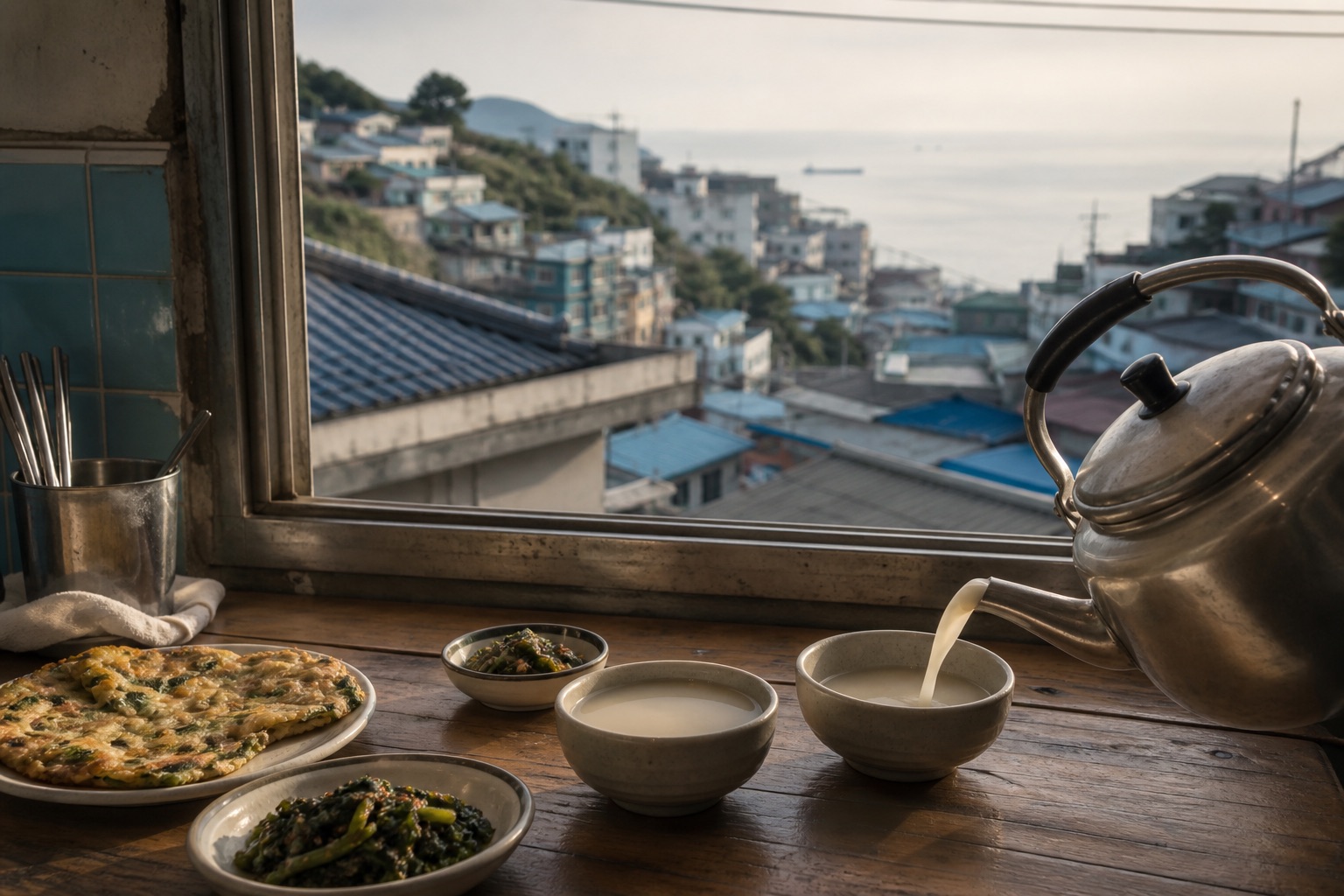
Choose a Busan makgeolli to go with dinner: Saengtak for pork soup, or pear-scented Gamcheon beside boiled pork.
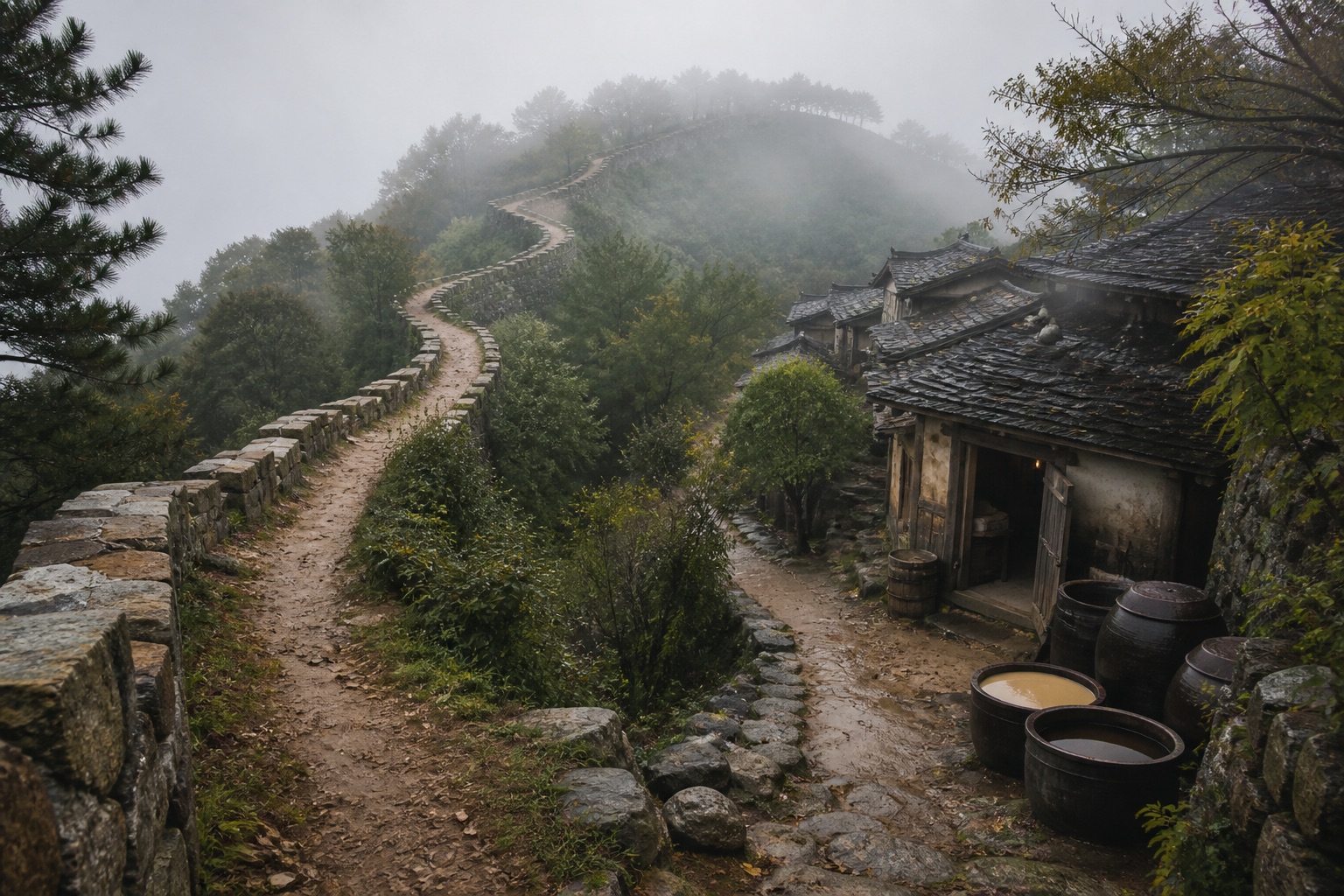
A fortress walk, a village brewing tradition and a distinctly tart makgeolli: another side of a Busan trip.
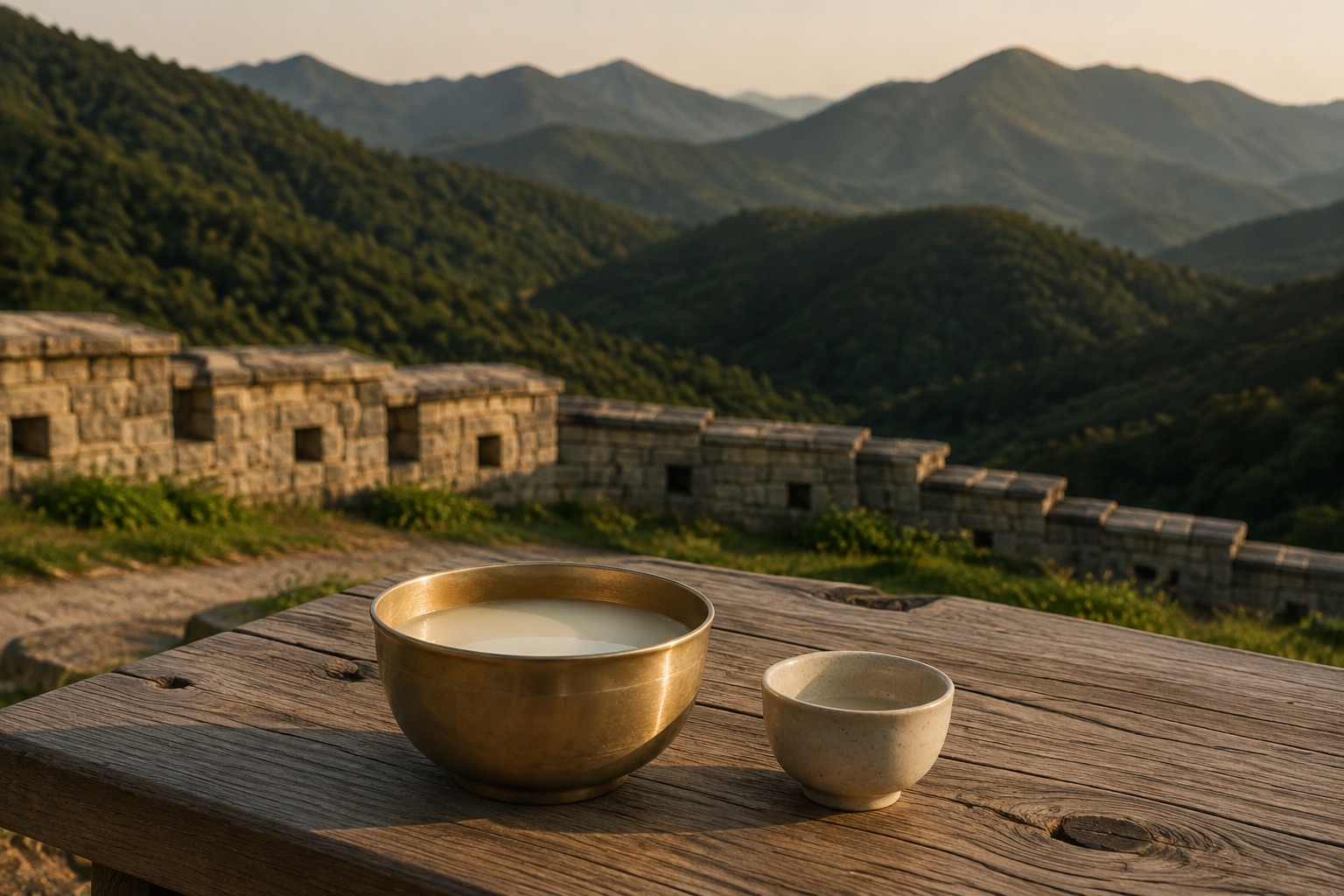
Plan a walk and a meal around Geumjeongsanseong, starting with the route from Oncheonjang Station.
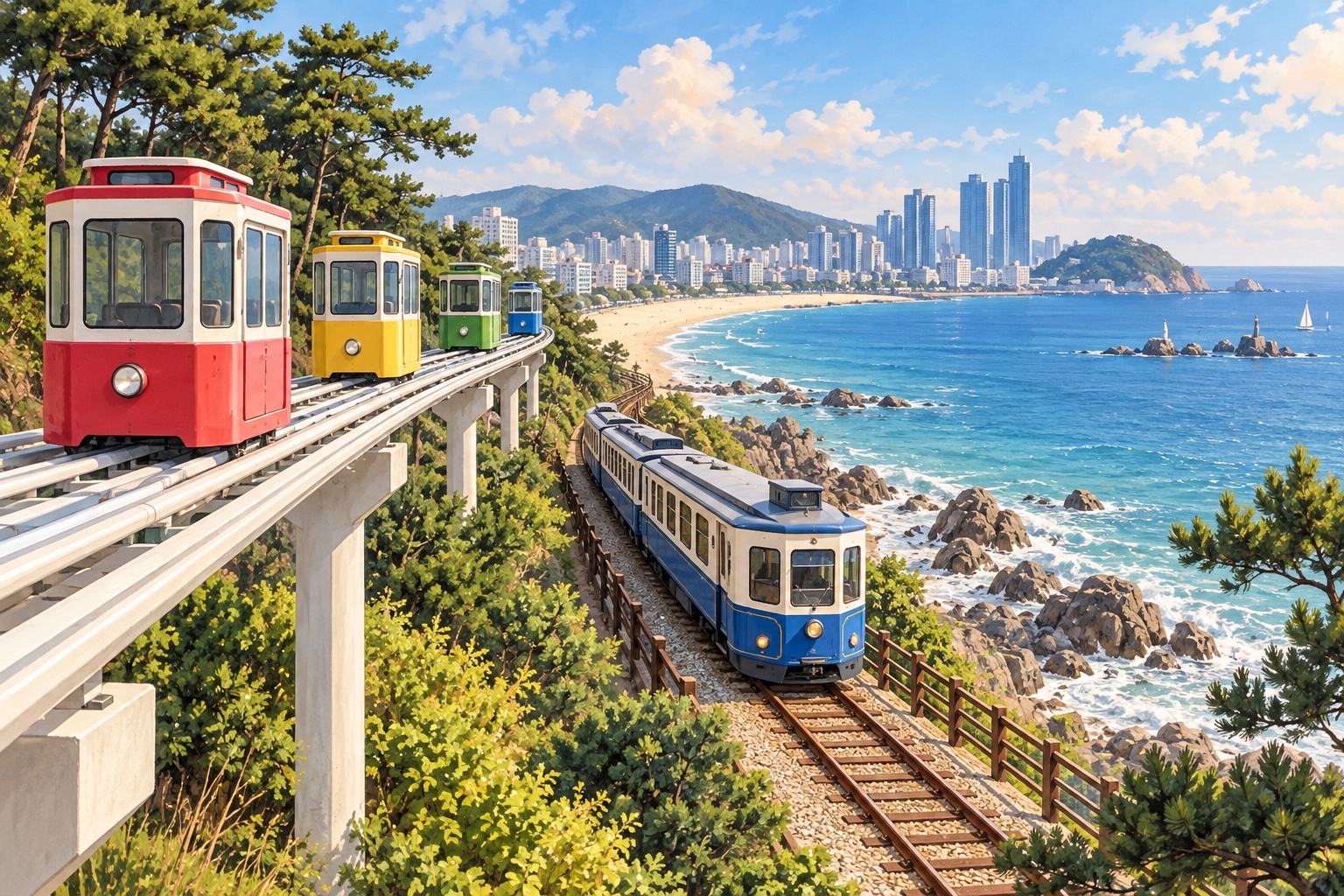
Compare the Haeundae Sky Capsule and Beach Train by route, ticket type and return journey, from Mipo to Cheongsapo and Songjeong.
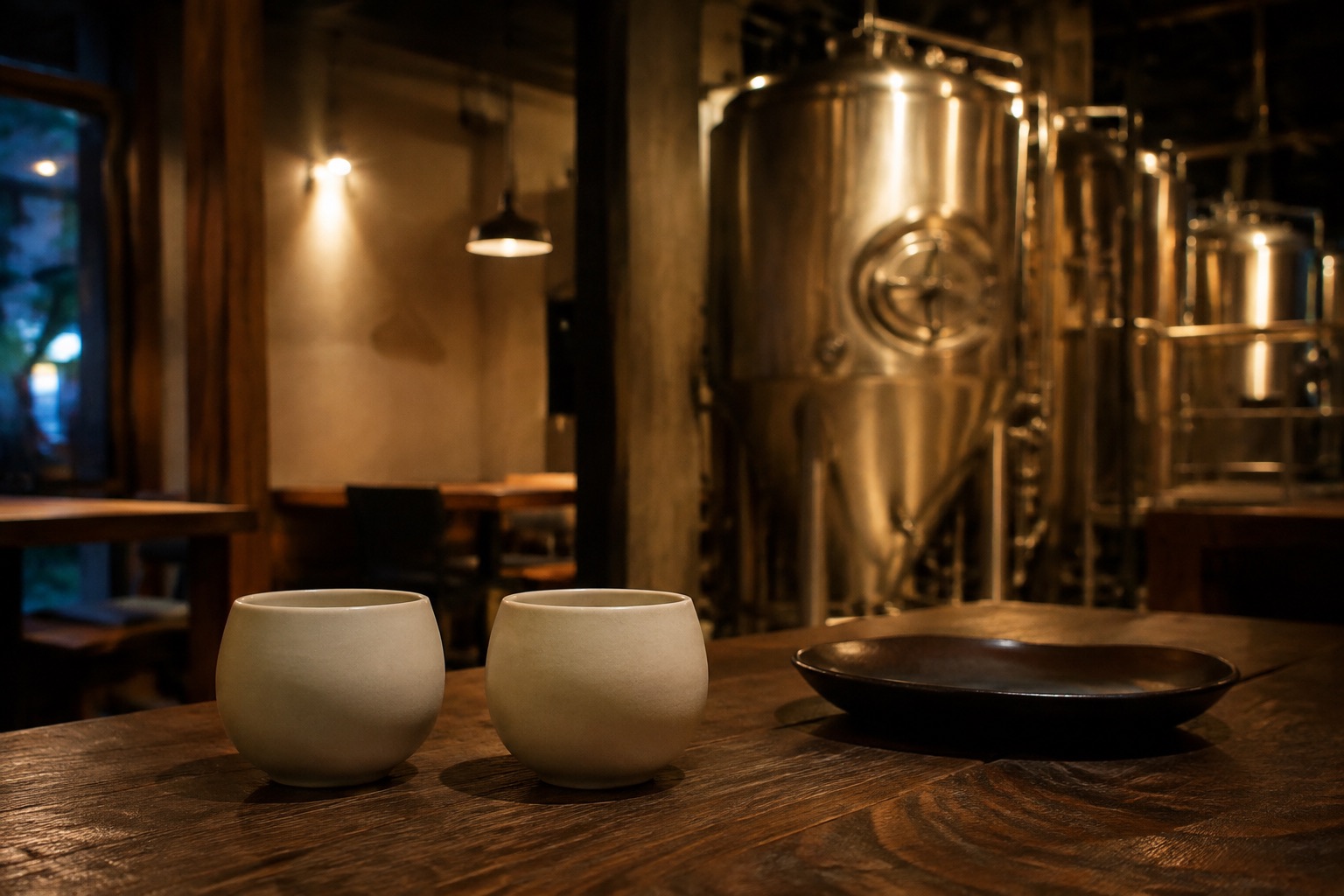
Meet Dongbaek 1917, where a Busan brewery also gives you somewhere to eat.
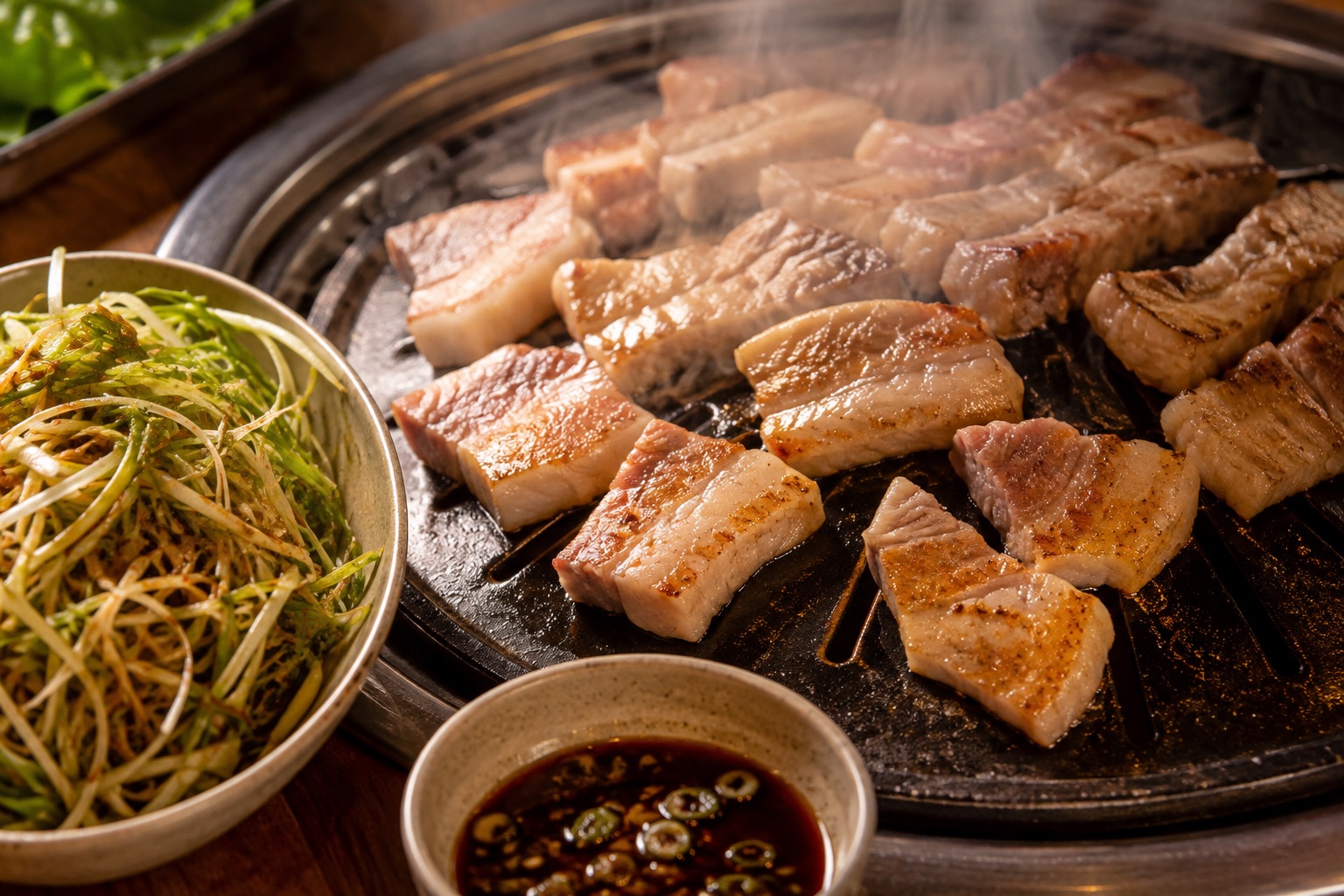
Consider Seomun Market’s pork-belly street or Bongyong Bulgogi, with your arrival time in mind.
Read the older records of Gadeok separately from the history of today’s producer.
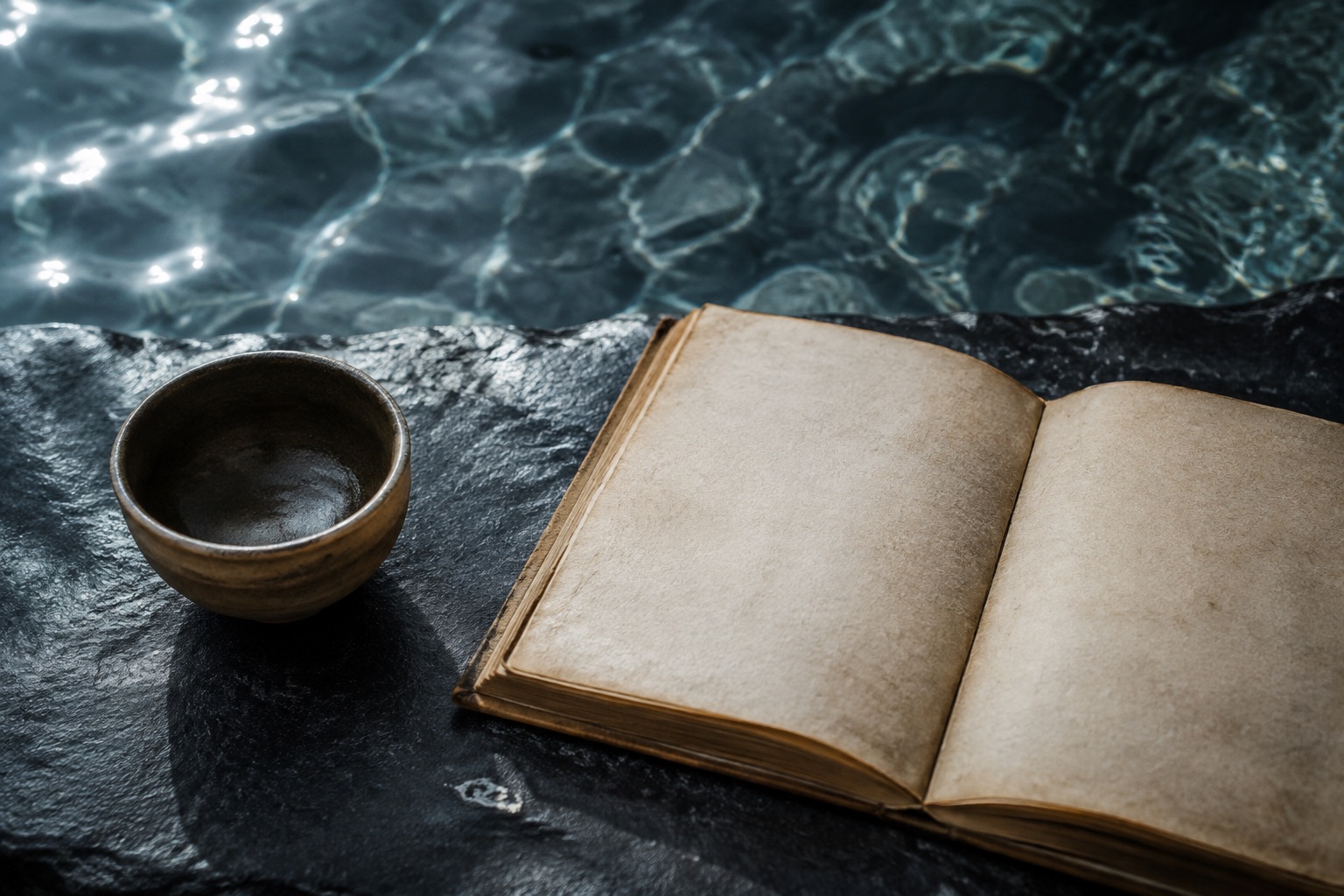
Read a 1444 royal record before exploring the palace complex recreated in 2020.
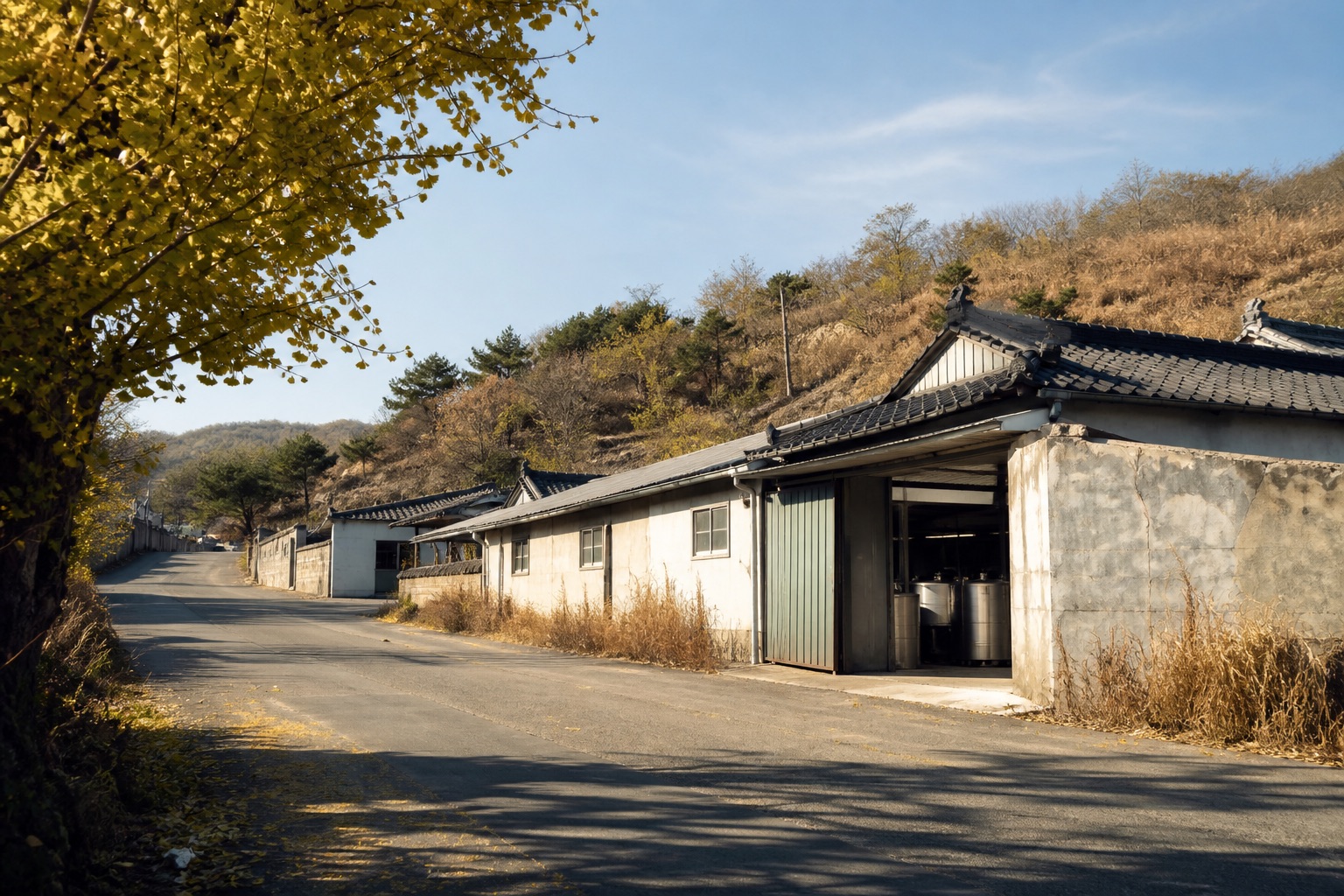
A walk through Daegu’s Bullo-dong, where an unusual place name also appears on a makgeolli label.

Compare two bottles from Dalseong Brewery by aroma and texture, not just alcohol strength.
Mild soft tofu or a spicy seafood broth? Choose the Chodang meal that suits your appetite after a morning by the sea.
EARL’s ganache sandwiches turn local ingredients into a gift near Gangneung Station. Here is what to consider before choosing a box.
Start with one stretch of coast and a coffee, then leave space for lunch. A simple arrival-day plan for Gangneung.
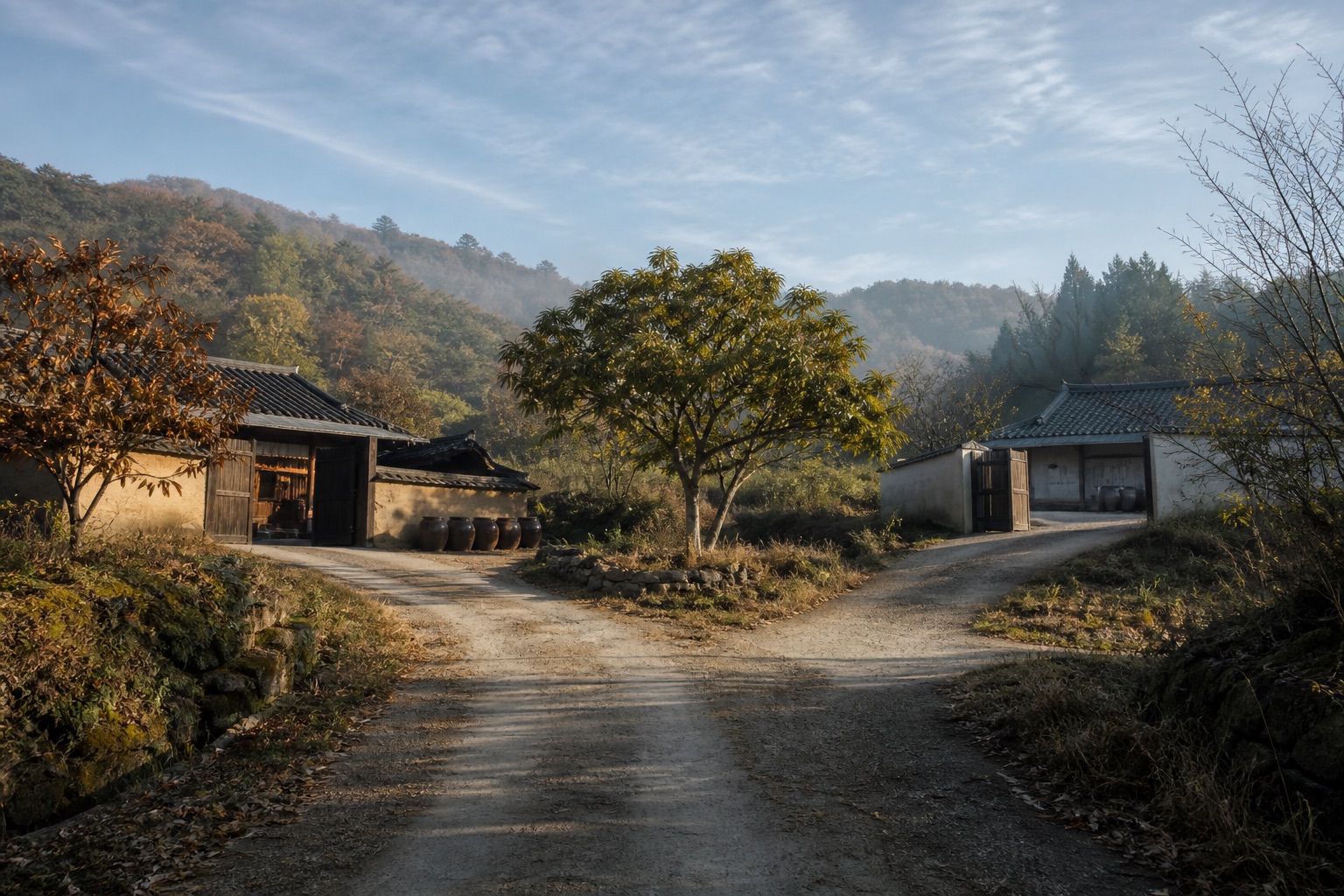
Meet Wangbamju and Wangbam from Sagok, then Gunbam from Uidang. The similar names hide different choices.
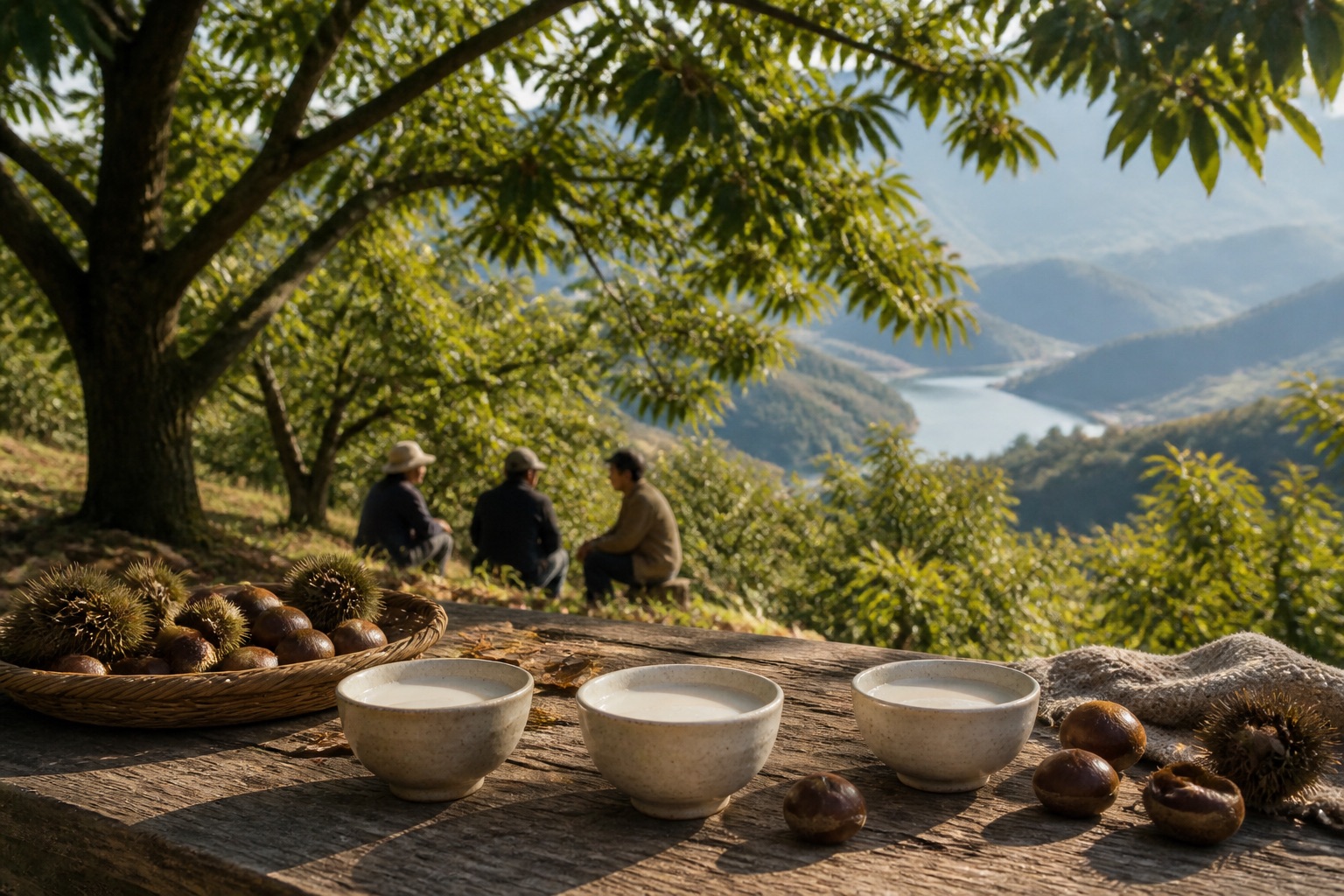
Wangbamju, Wangbam and Gunbam differ in sweetness, toasted character and bottle size.
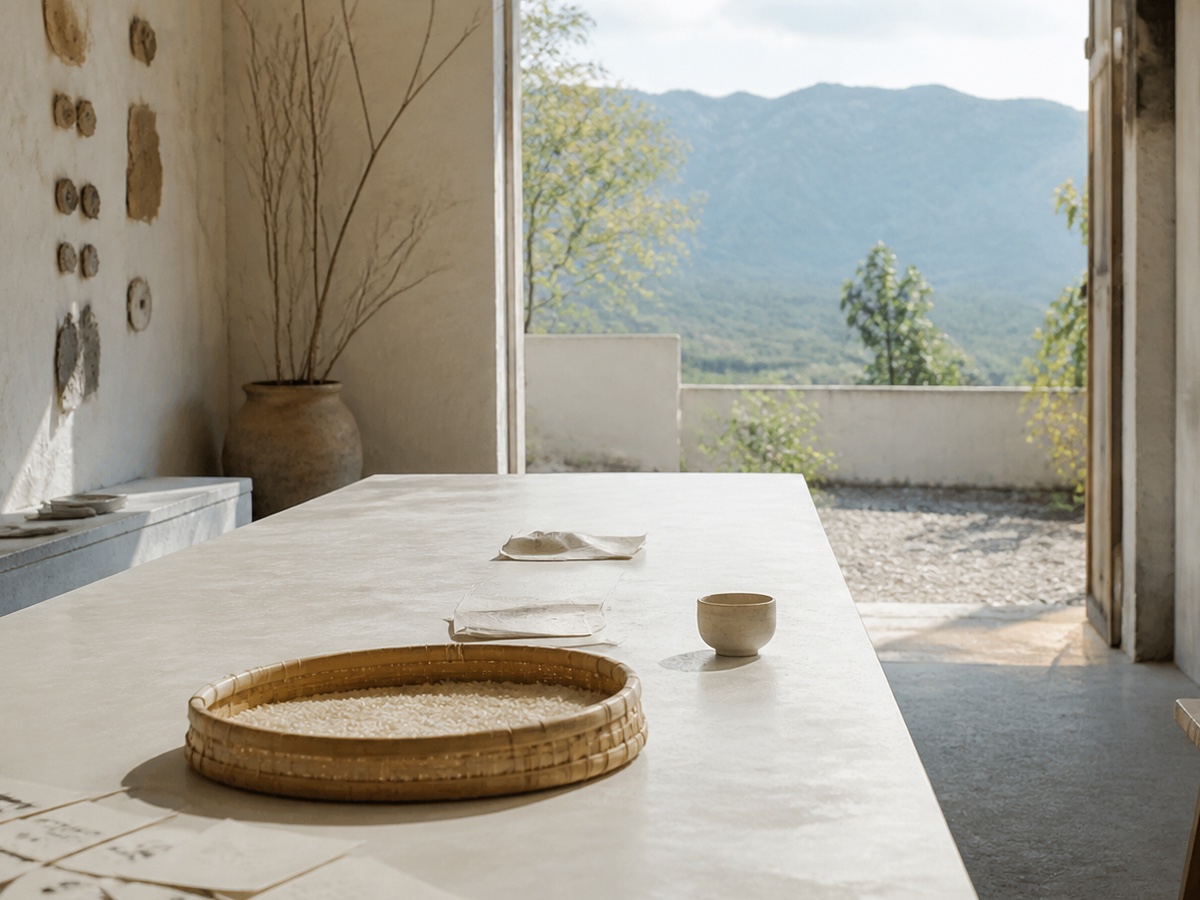
Choose between tteokgalbi, beef jeon and lettuce-wrapped fritters, then explore a local bottle to match.
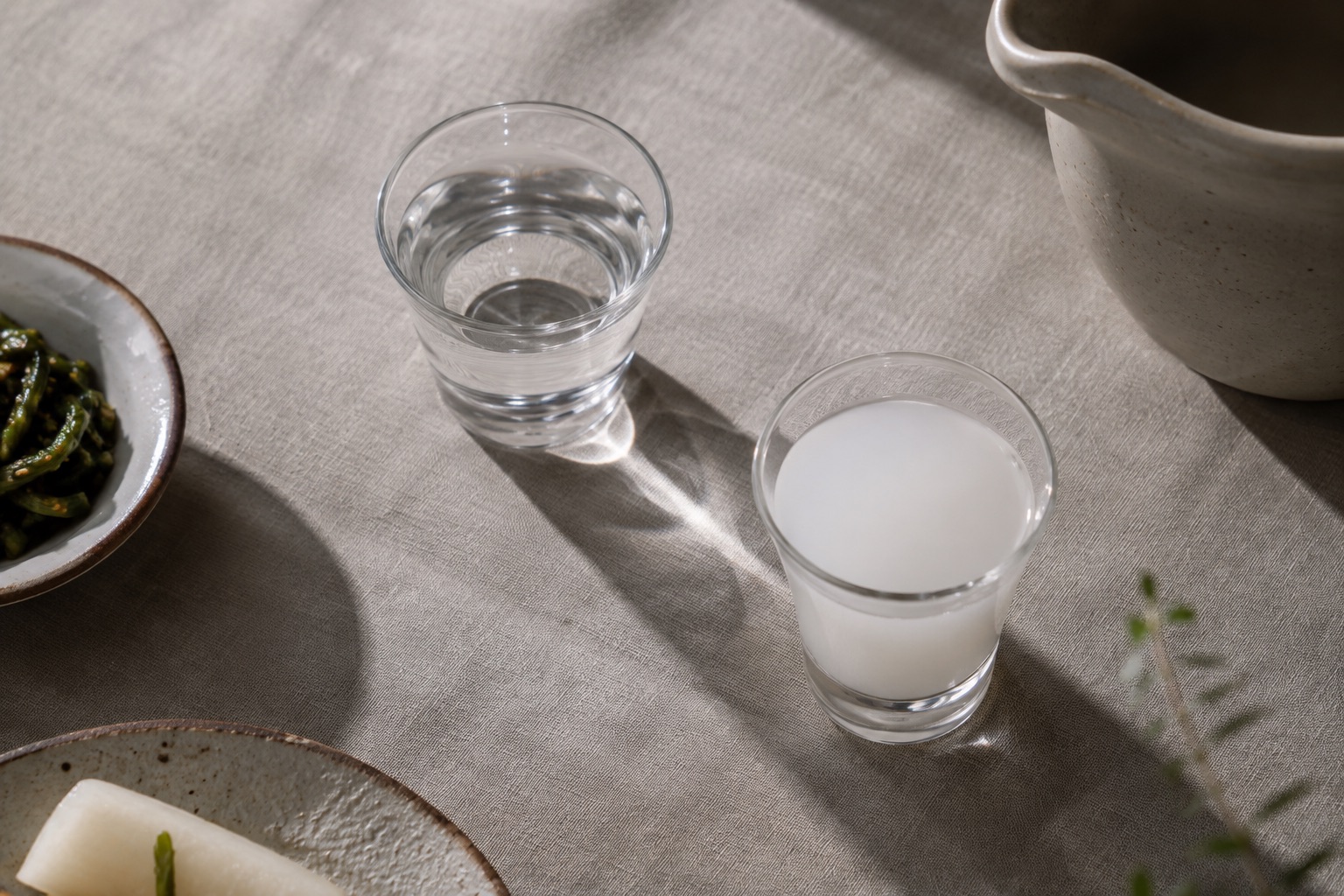
Compare a little of the clear upper layer with a gently mixed pour of Gyeongju Beopju rice makgeolli.
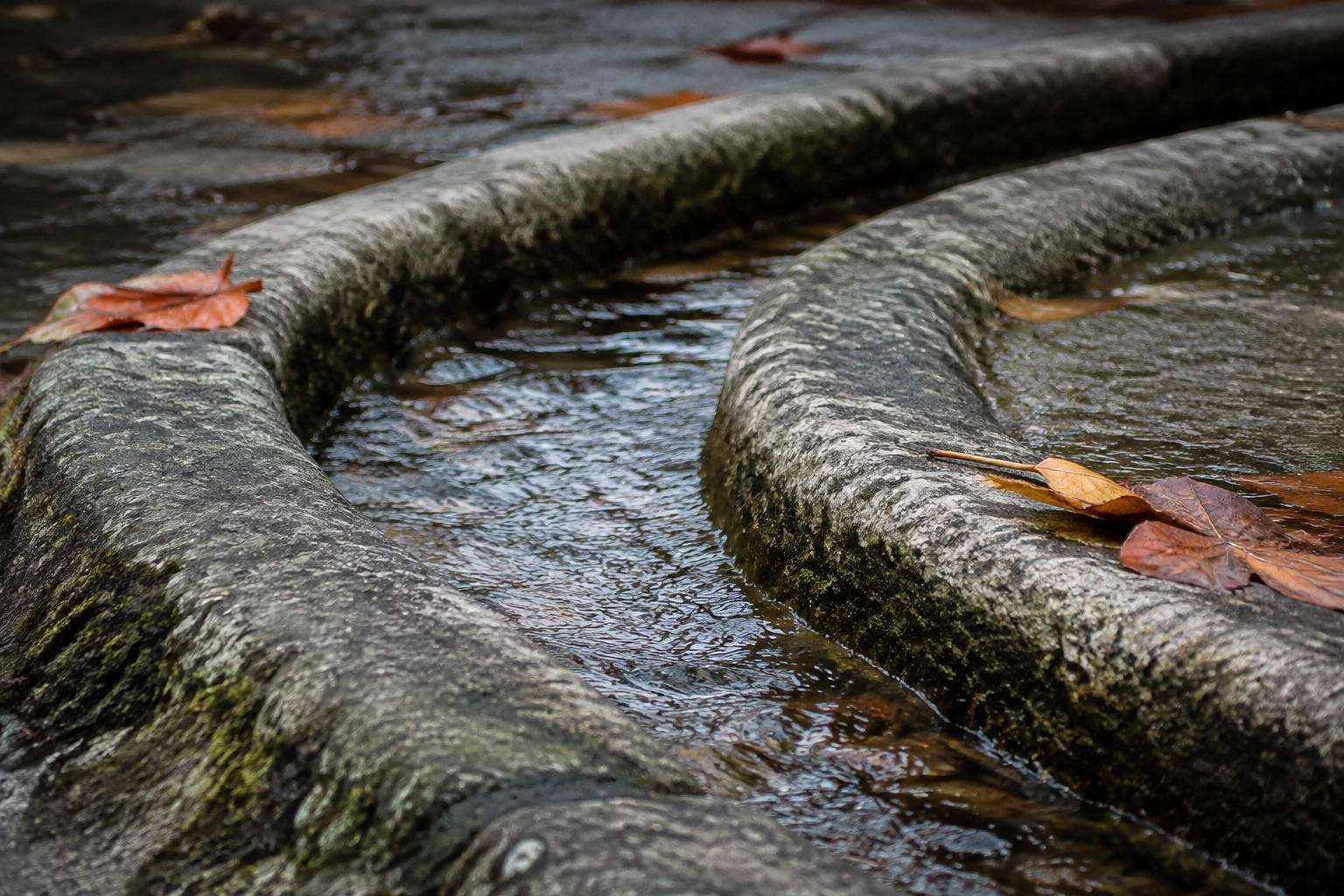
Follow the curved stone channel into a Gyeongju story about wine cups and poetry.
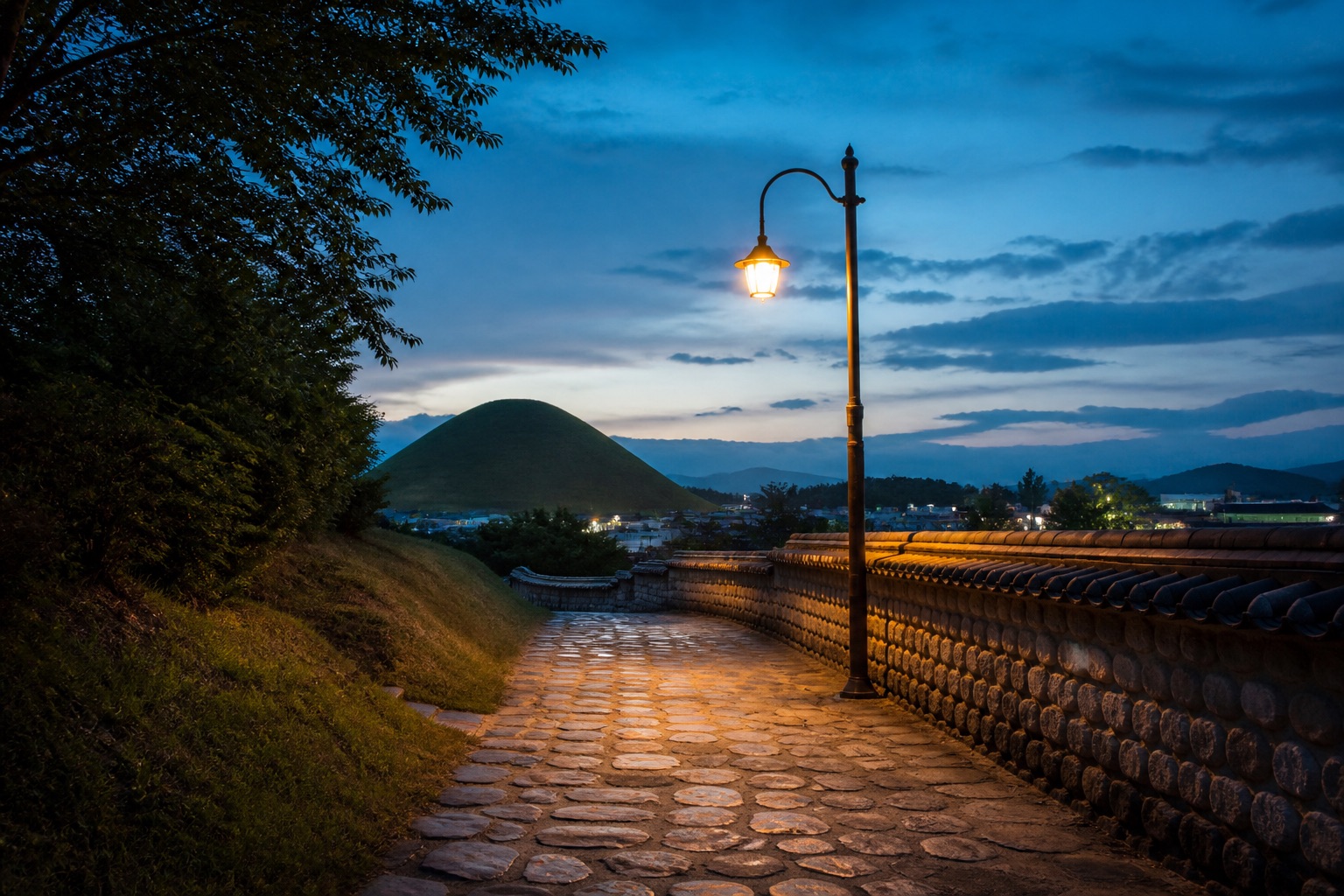
Get from Gyeongju Station to the centre, walk Daereungwon, Hwangnidan-gil and Cheomseongdae, then choose one evening stop.
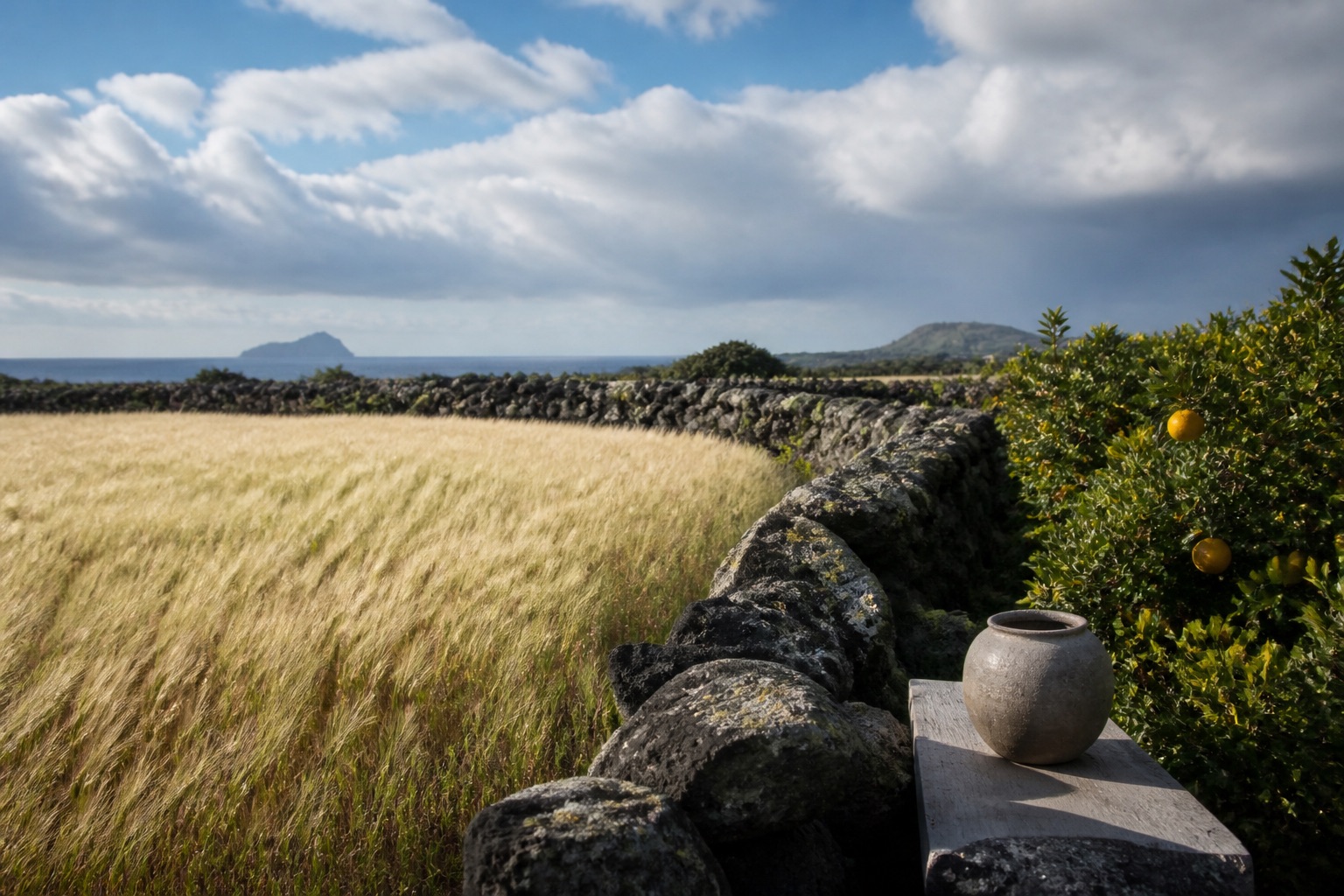
Meet buckwheat makgeolli from Gujwa and mandarin takju from Seogwipo.

A story of early exports, drawn from 2009 records and a producer’s recollections.
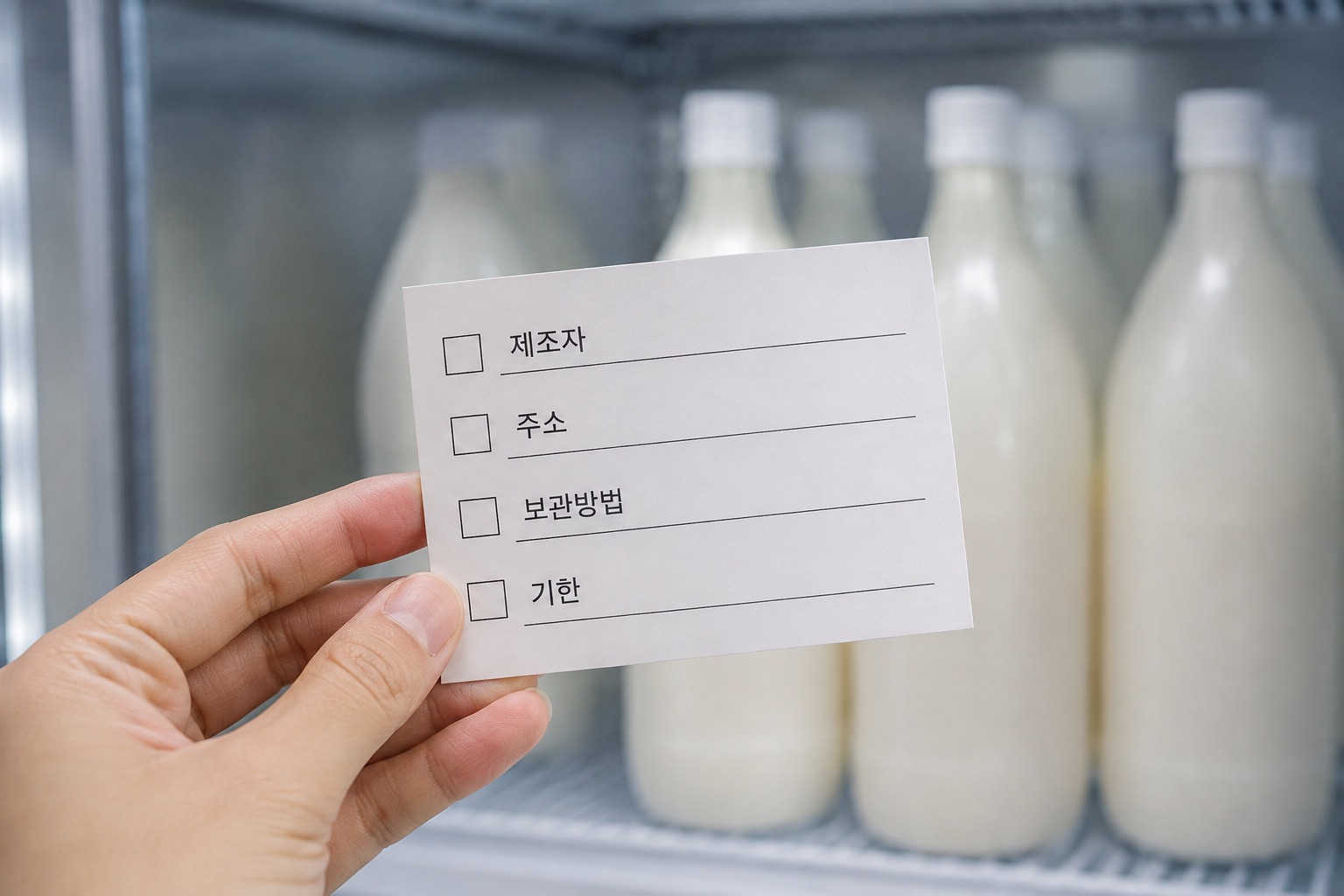
A short guide to checking who made your makgeolli, what is in it and how to store it.
The story begins with a great-grandmother making omegi and gosori liquor in Shindori.
Explore Samcheon-dong’s shared tables and meet moju, Jeonju’s spiced drink.
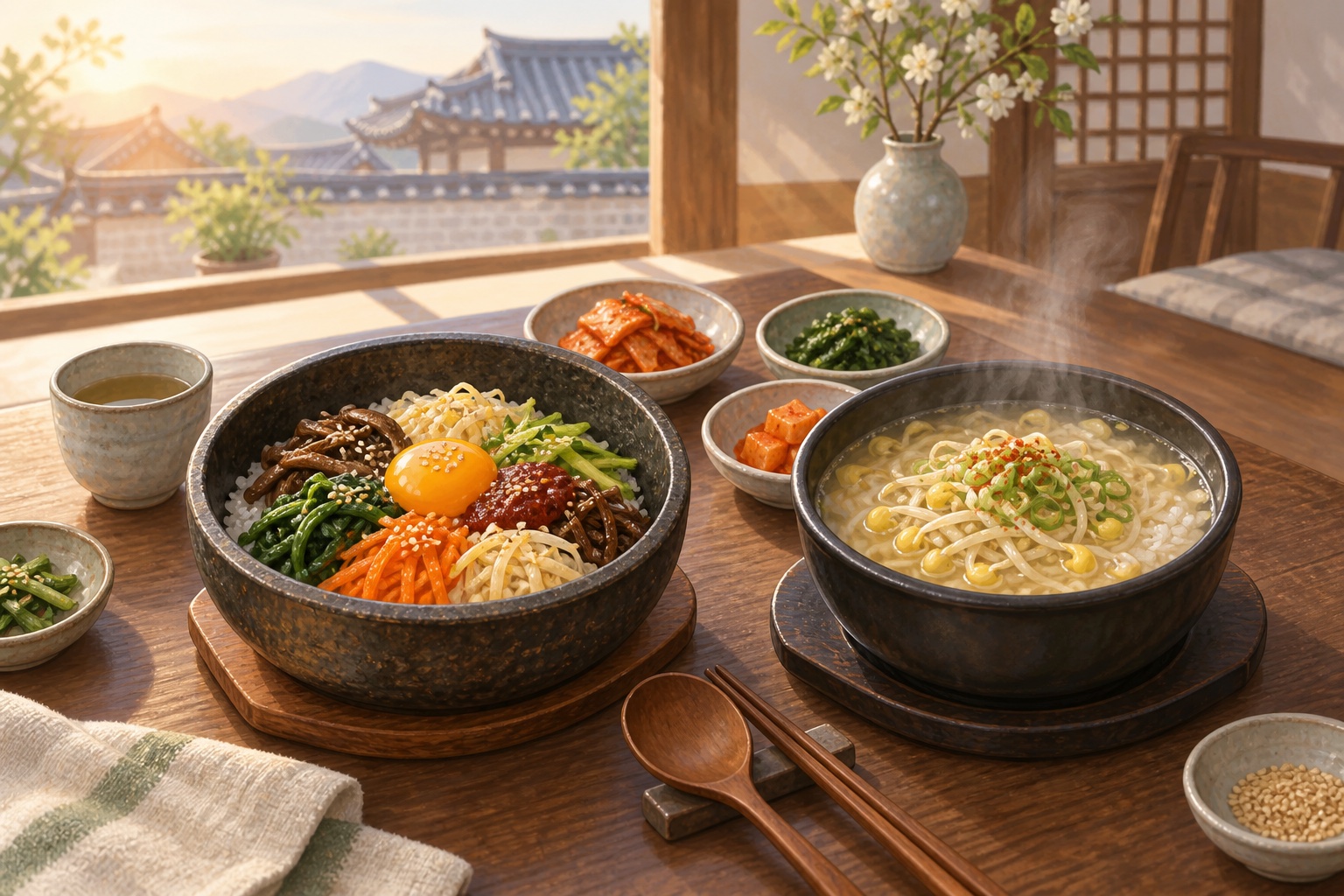
Choose between Jeonju bibimbap and Nambu Market bean sprout soup with rice, from yellow mung bean jelly to the egg served alongside.
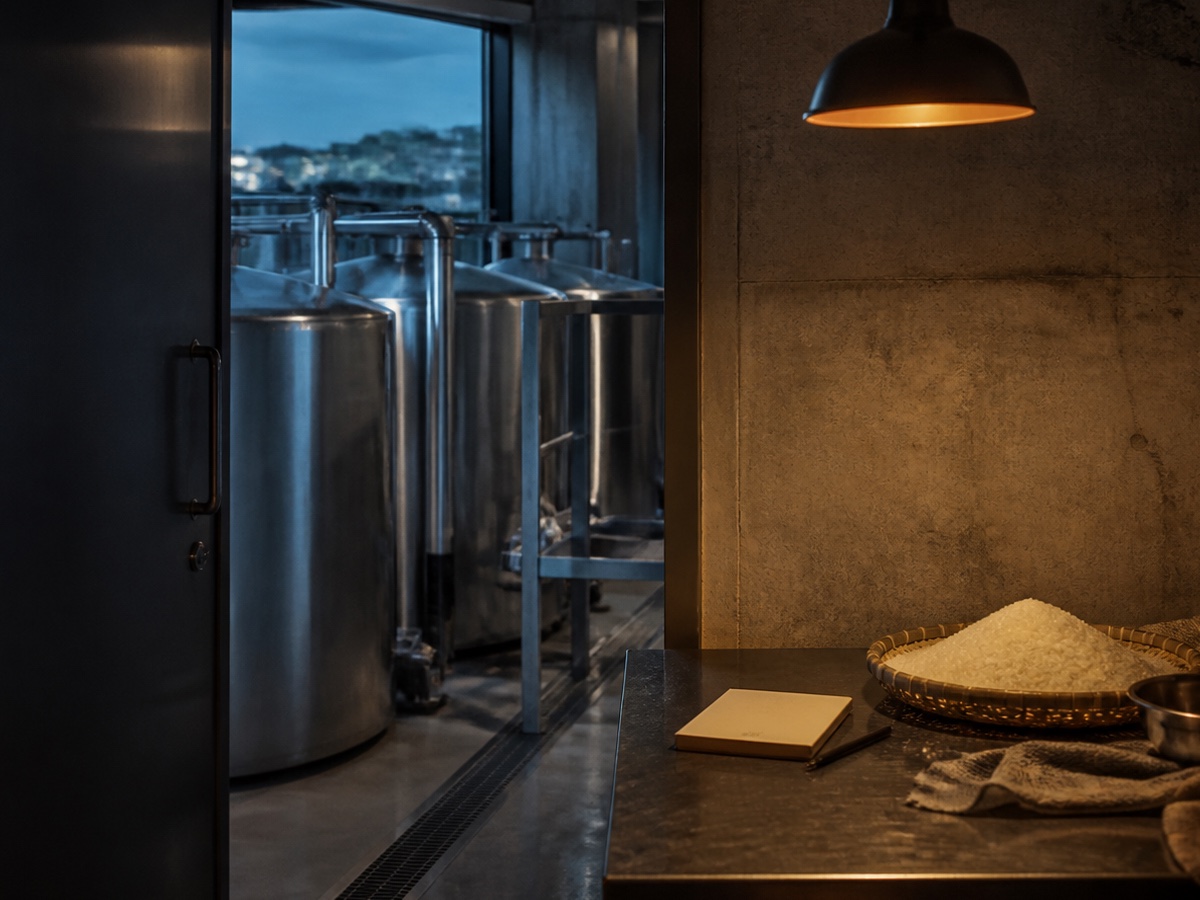
From Naru in Seongsu to Chowol in Mapo and hop-infused Coolmak, choose by what interests you.
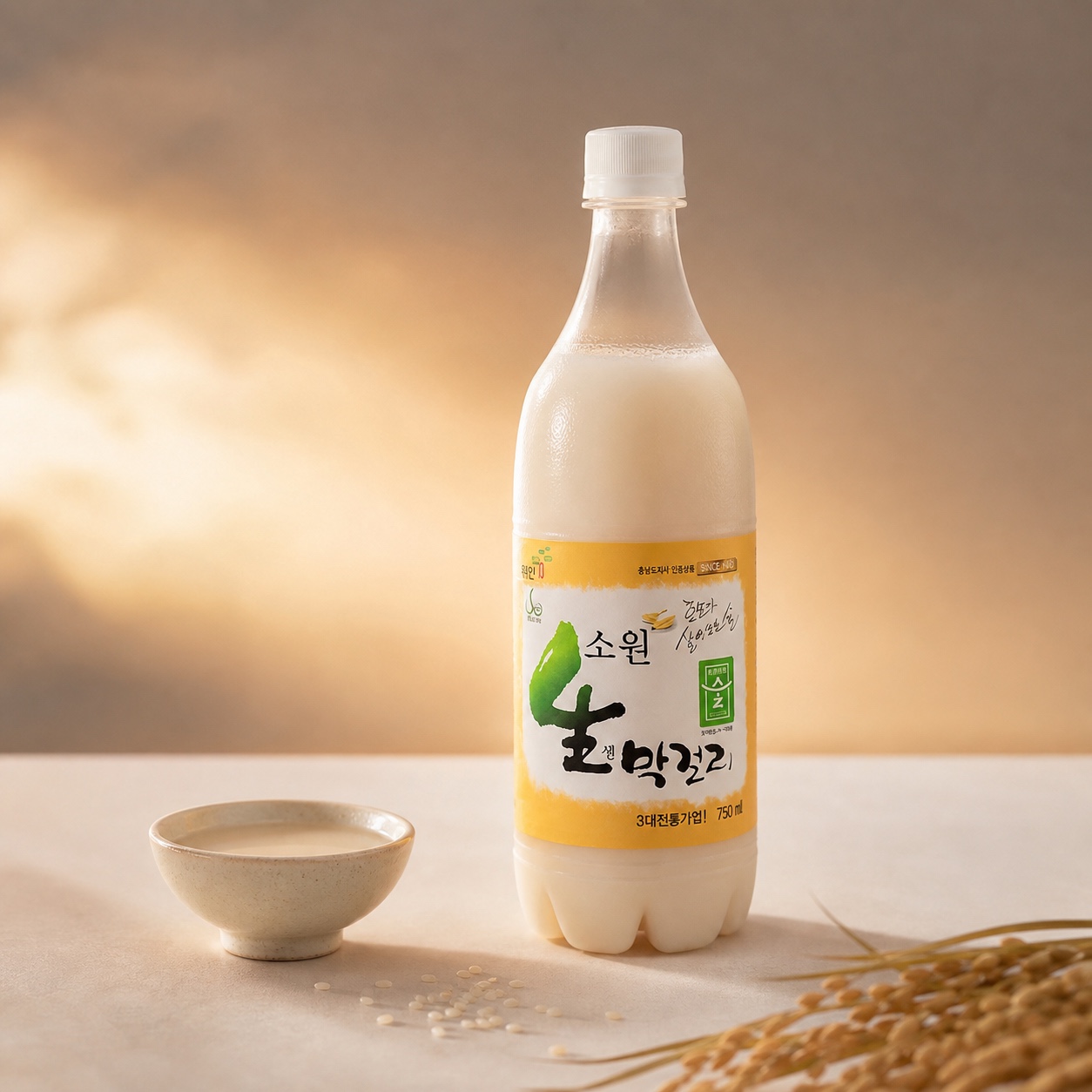
Read the story of Kkotji Beach’s Halmi and Halabi rocks, then meet a traveler’s account of Sowon makgeolli.