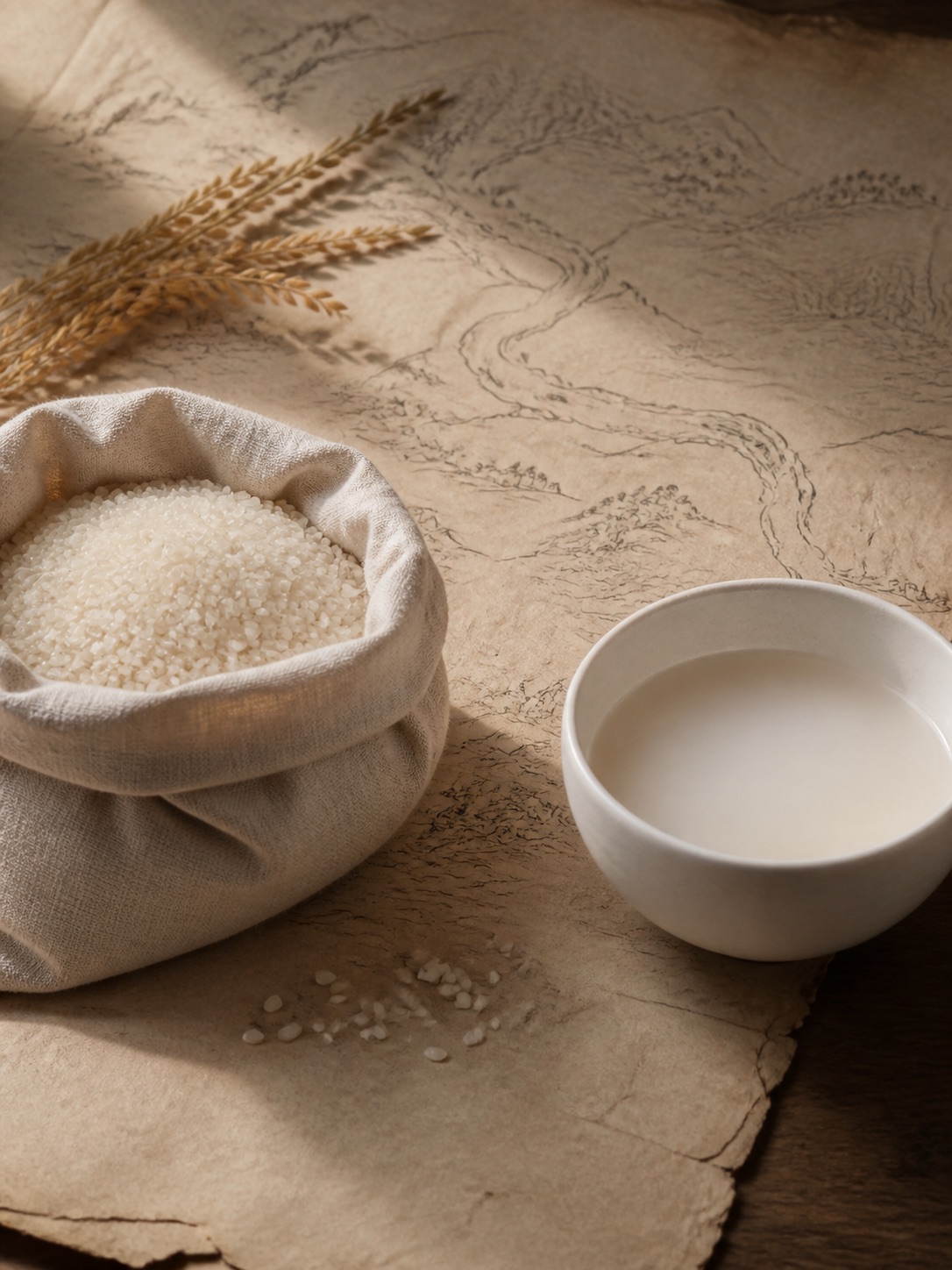
Chamgadeok: a softer choice for a Cheongju meat dinner
Choosing richly seasoned meat? Chamgadeok offers a softer direction, with gentle rice sweetness at 6% ABV.
Find a destination, a local bottle and the stories behind them.
Compare alcohol level, ingredients, tasting notes, brewery location, and how to buy each bottle.
Choosing richly seasoned meat? Chamgadeok offers a softer direction, with gentle rice sweetness at 6% ABV.
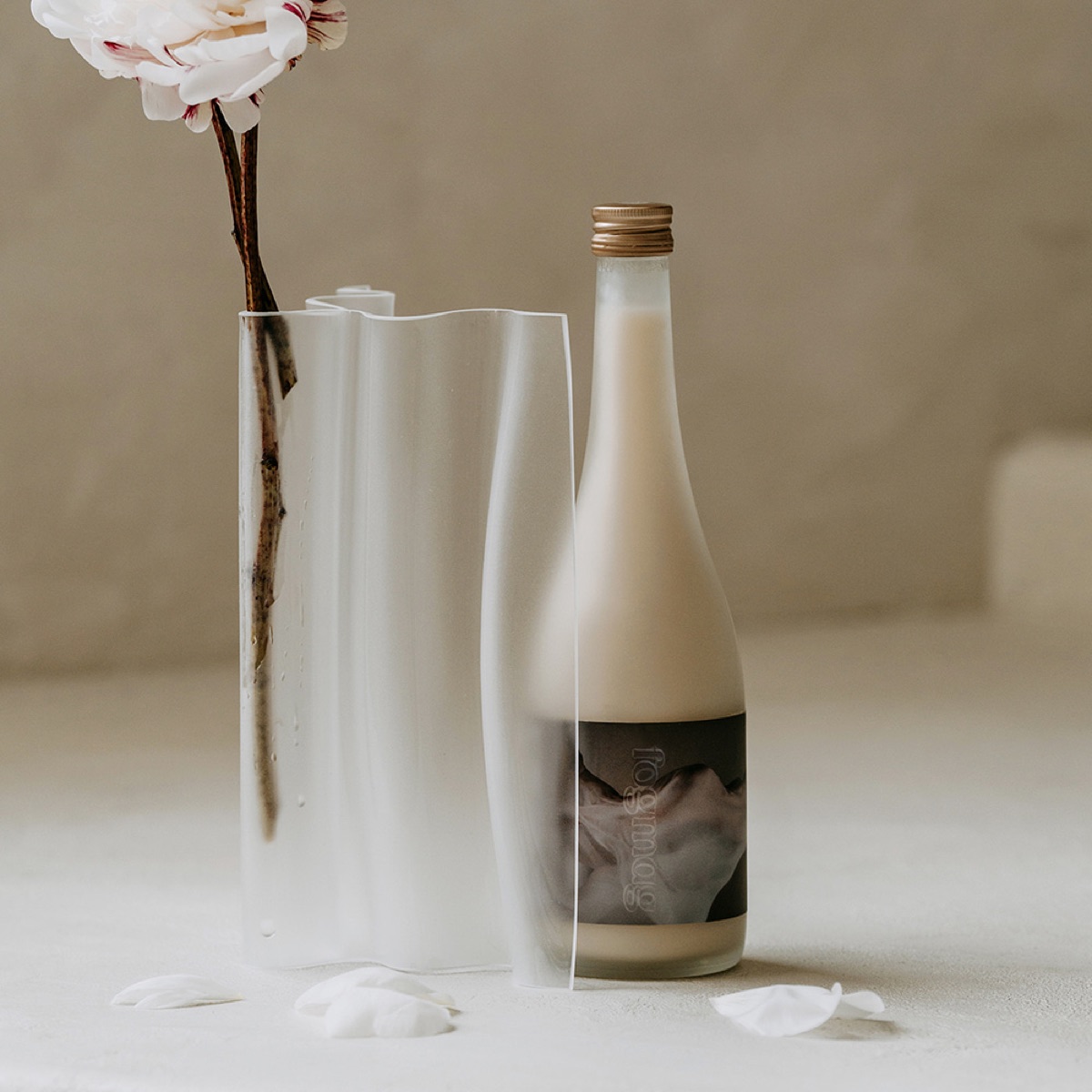
Deciding between Fogmag 7 and 10? Start with texture. Ten is described with rich sweetness and yogurt-like creaminess at 10% ABV.
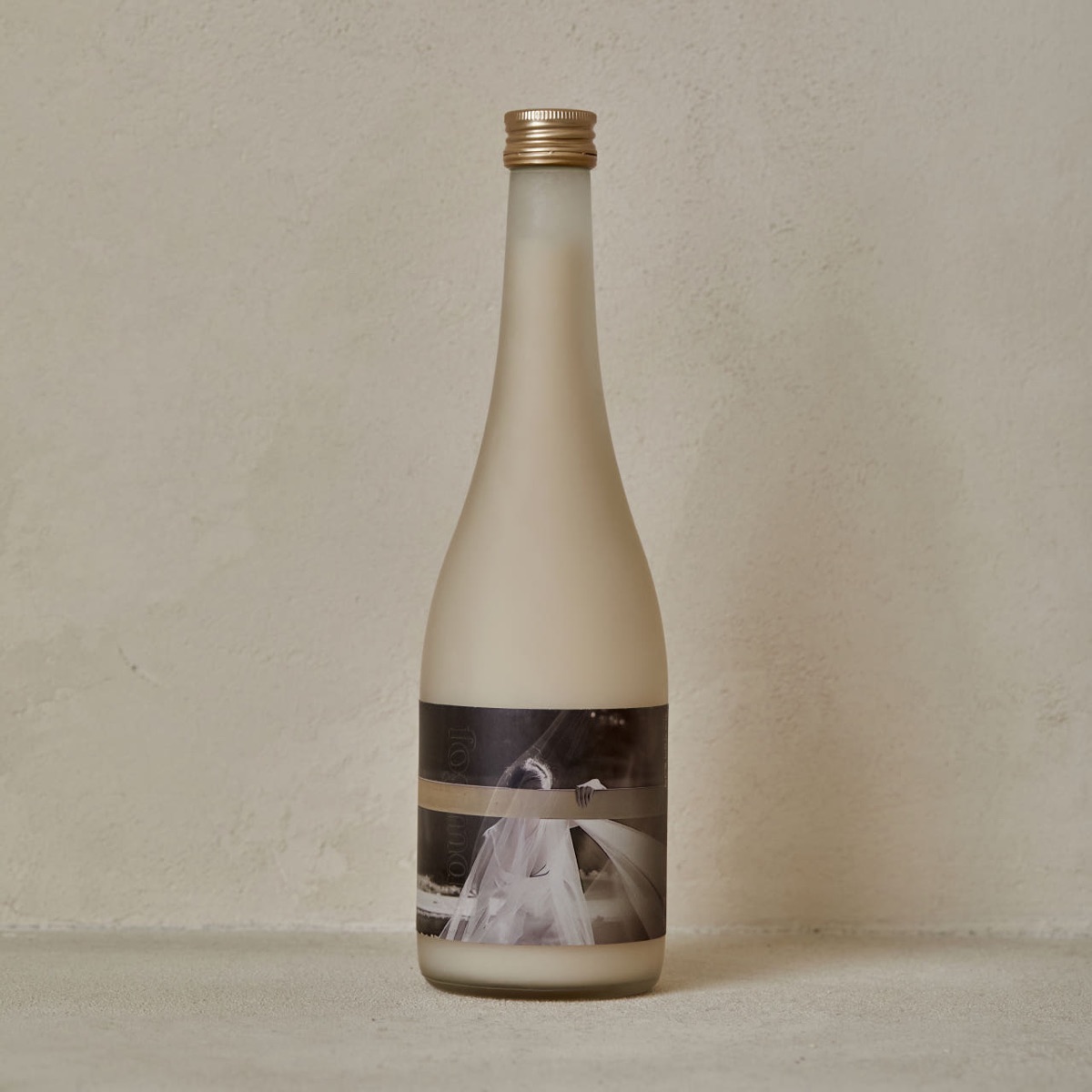
Korean melon and flowers are the comparisons used for Fogmag 7. At 7% ABV, its fresh aroma comes with a surprisingly substantial texture.
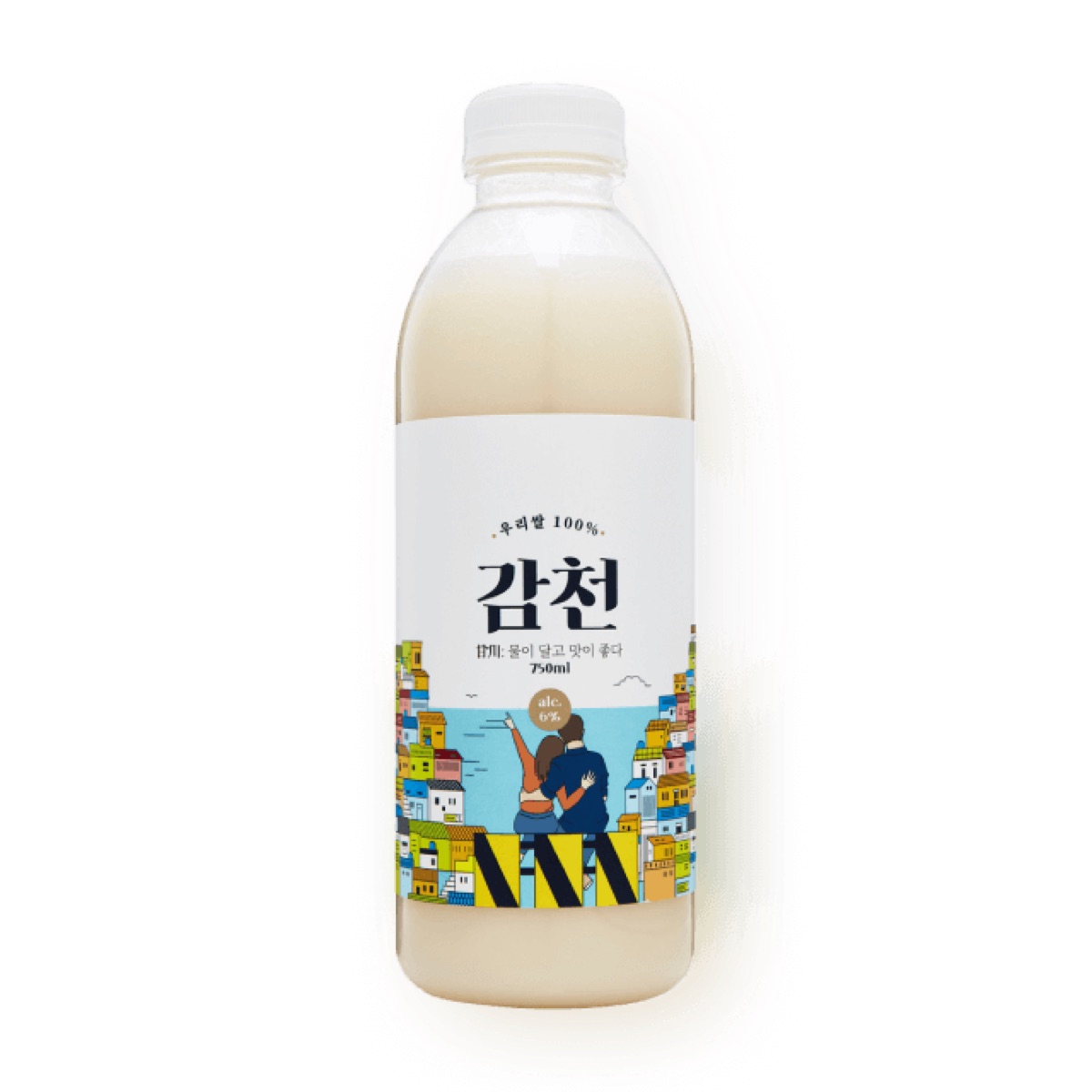
Planning a pork meal in Busan? Gamcheon is a 6% bottle from Gangseo, described with gentle sweetness and a pear-like aroma.
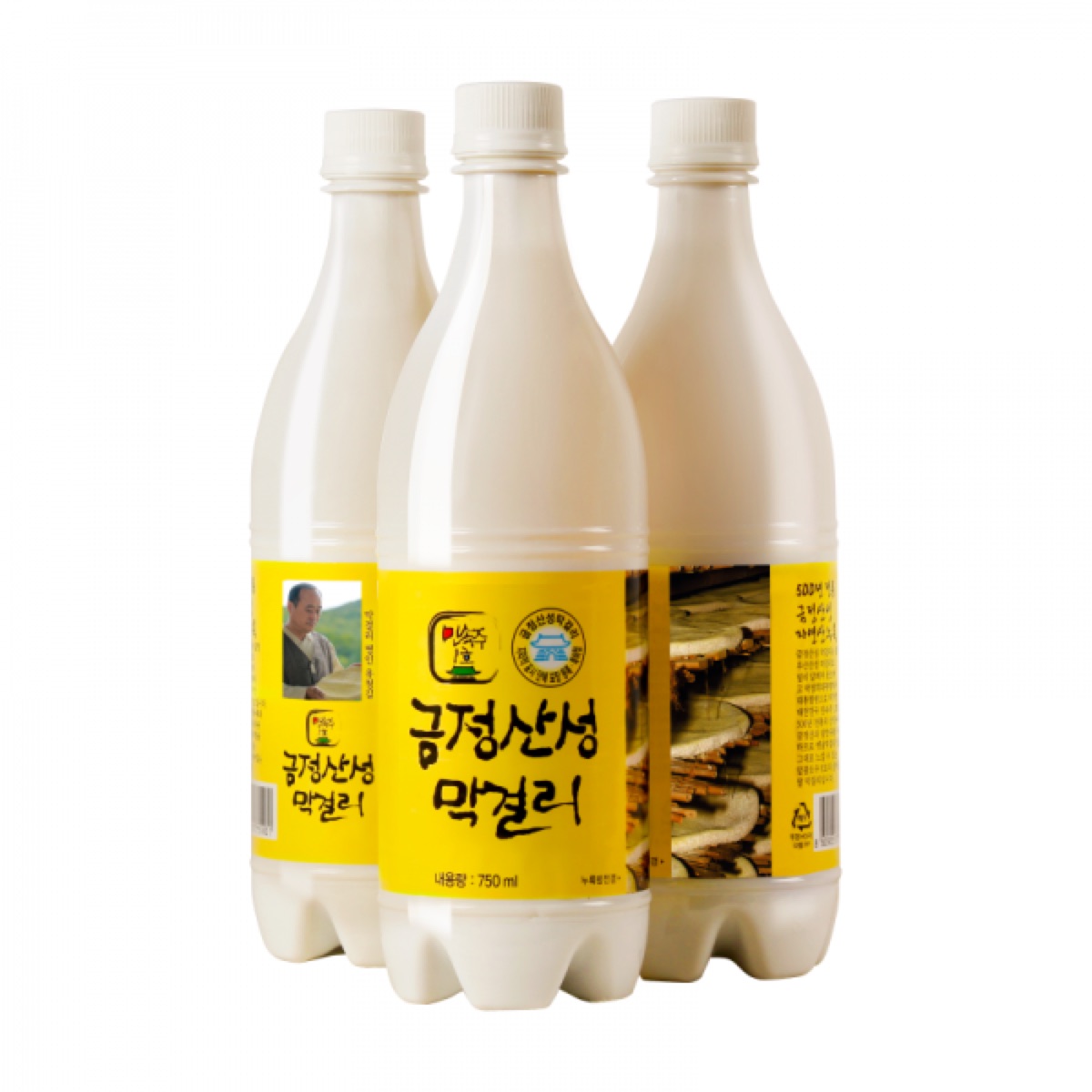
Prefer acidity to sweetness? This 8% Busan makgeolli combines a thick texture with the savory character of nuruk, the fermentation starter.
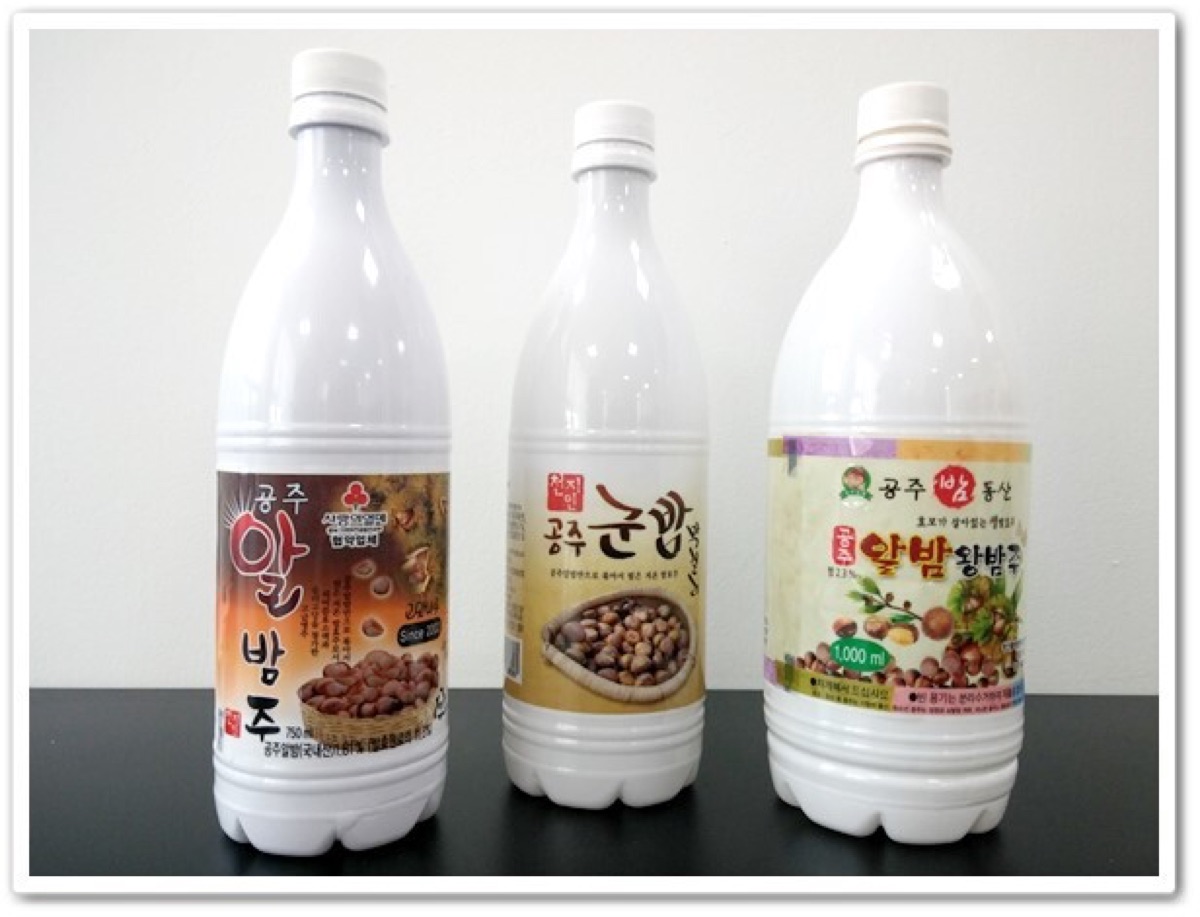
Like roasted chestnuts? Gunbam may catch your attention by name alone. This 6% makgeolli is described with a soft opening and lingering chestnut sweetness.
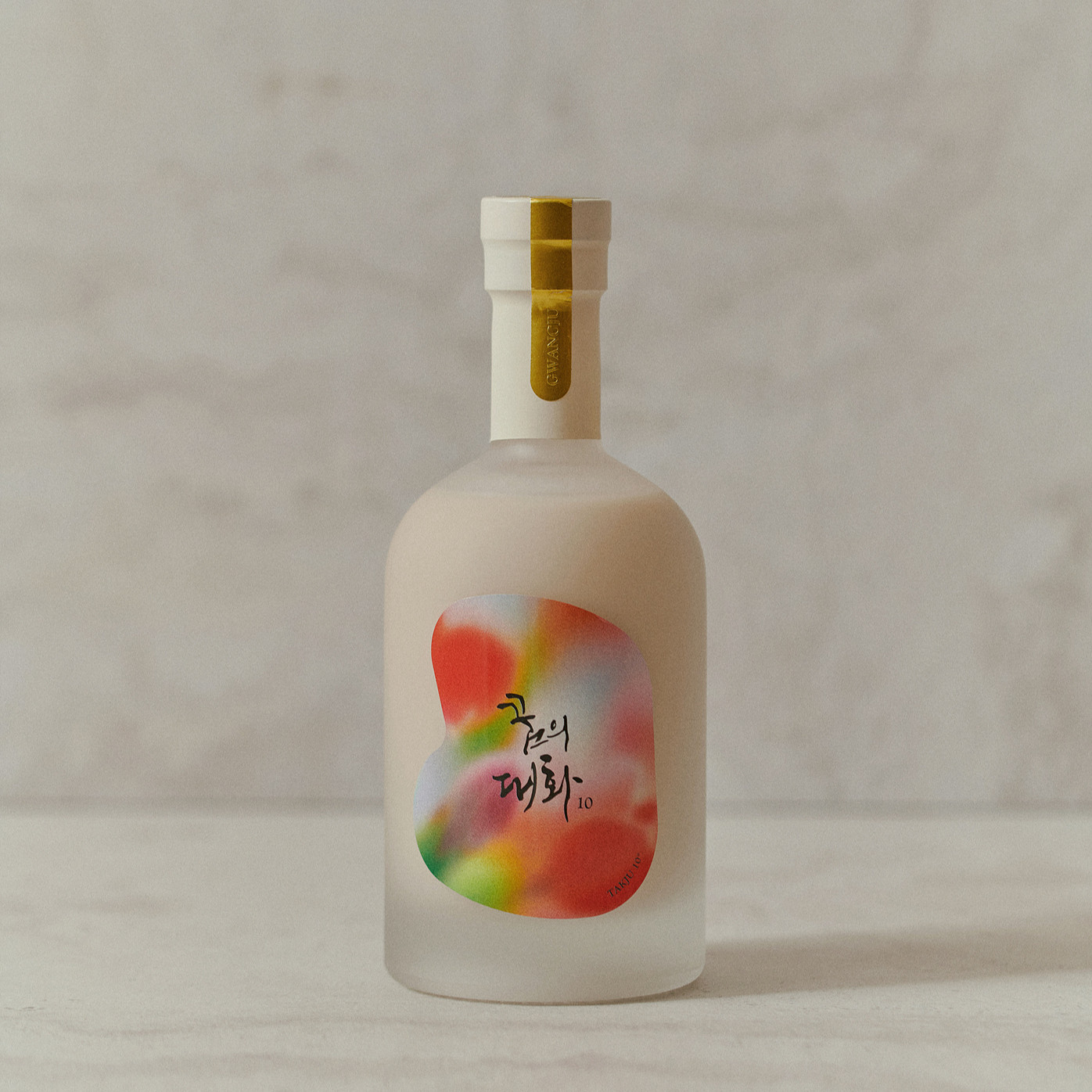
Curious about peach- or plum-like aromas? This 10% Gwangju takju is described with soft rice sweetness followed by a little bitterness.
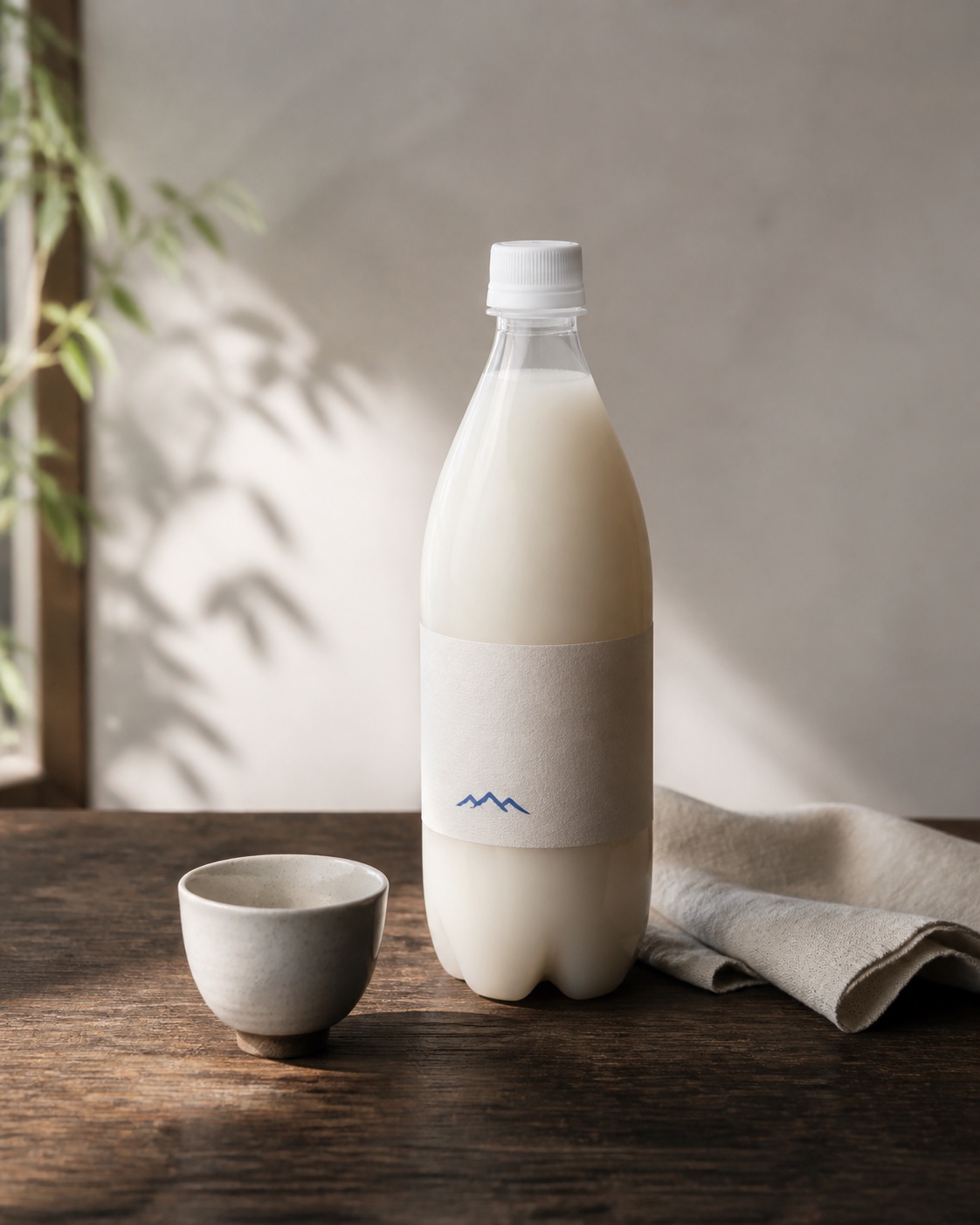
What would you pour with egg-coated beef jeon? Mudeungsan is a 6% bottle combining soft rice character with acidity and fizz.
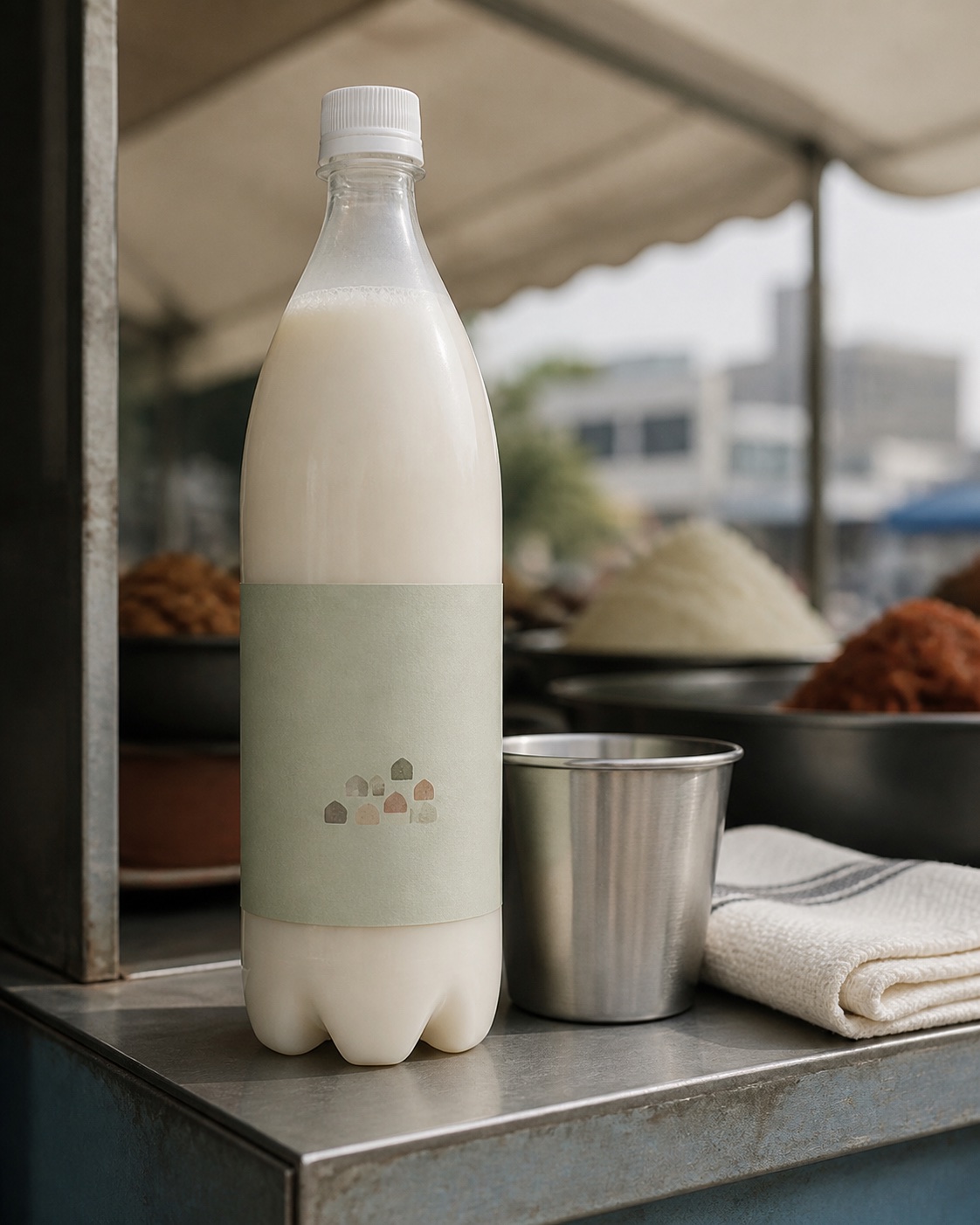
Via is a place name in Gwangju’s Gwangsan district. Meet it through a 6% makgeolli described with gentle rice sweetness.
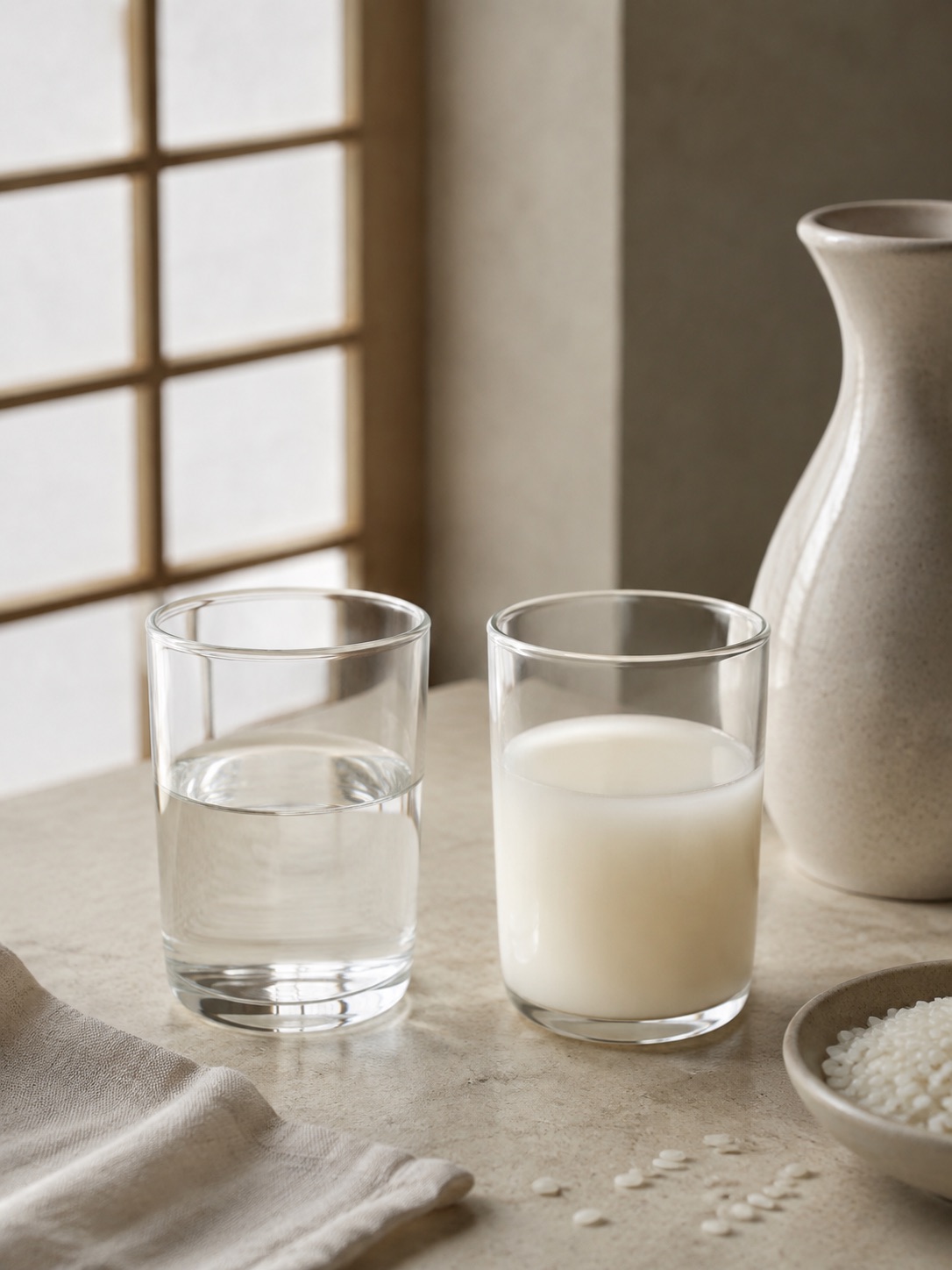
Can one bottle give you two impressions? Compare the clearer upper layer with a gently mixed pour of this 6% rice makgeolli.
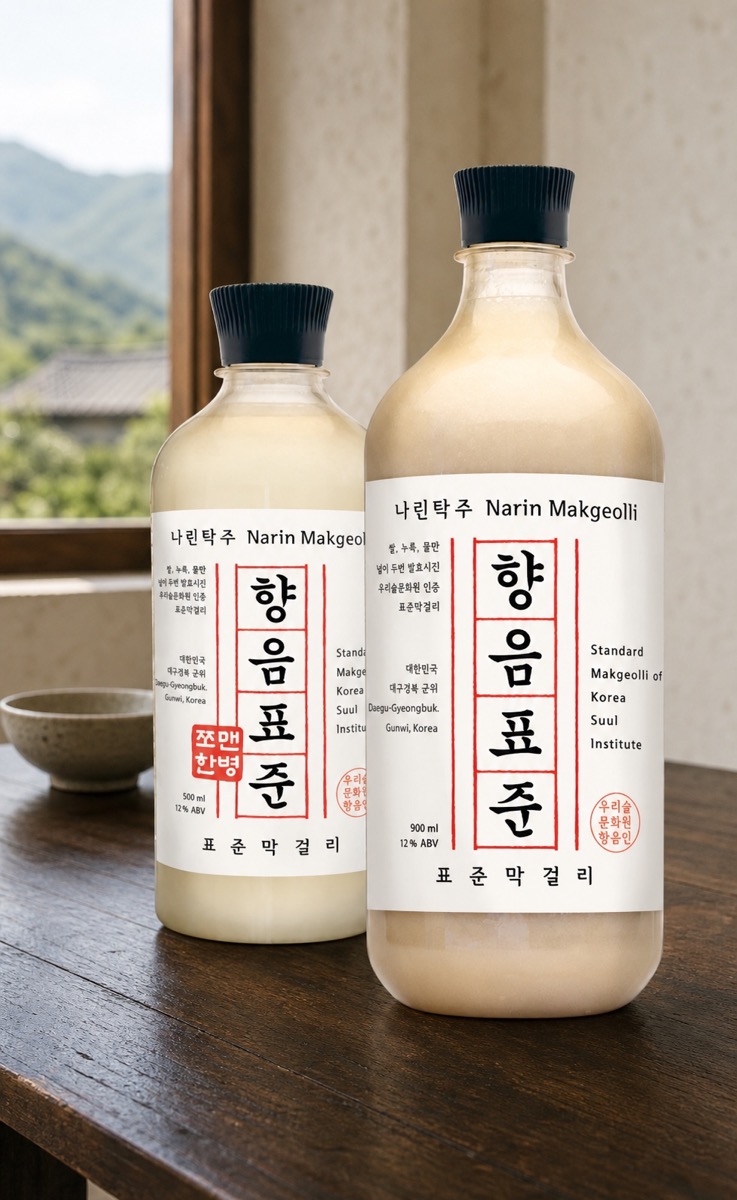
Ripe melon and tropical fruit are the comparisons used for this 12% drink. Consider it when sweet aromas and a fuller texture appeal.
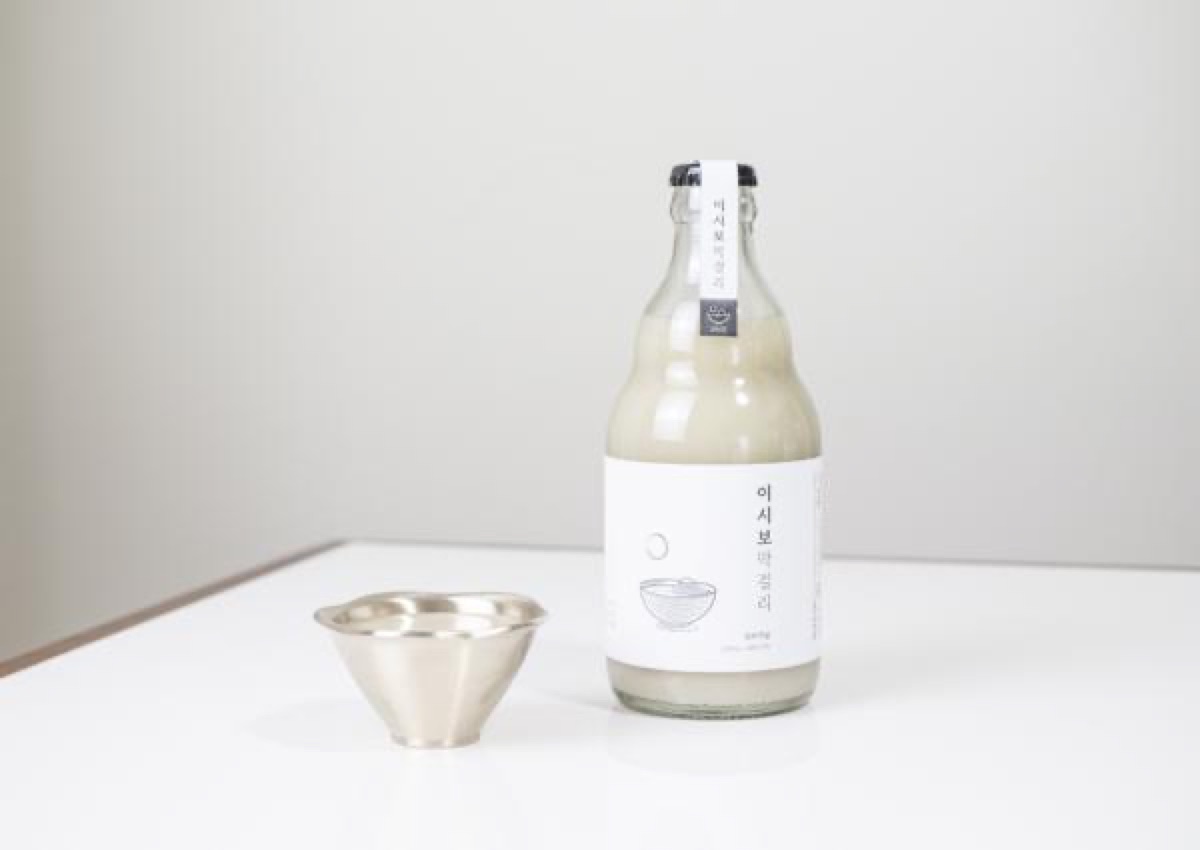
A fresh aroma does not always mean a light drink. Ishibo is described with green-grape-like notes and the fuller texture of Jeju glutinous rice.
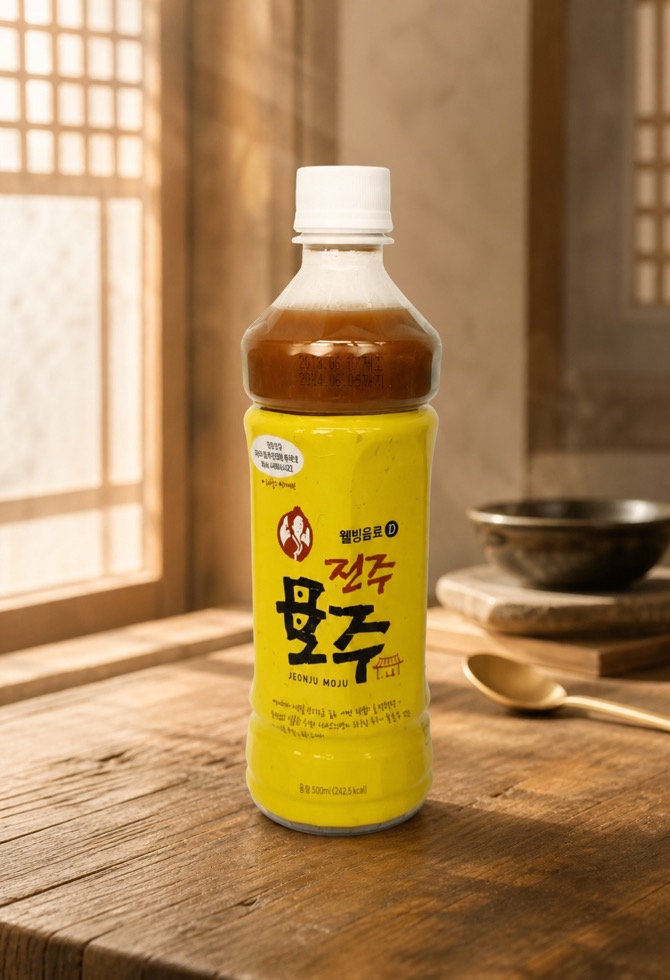
Seen moju on a Jeonju soup restaurant’s menu? It is a sweet, low-alcohol drink made by heating makgeolli with spices.
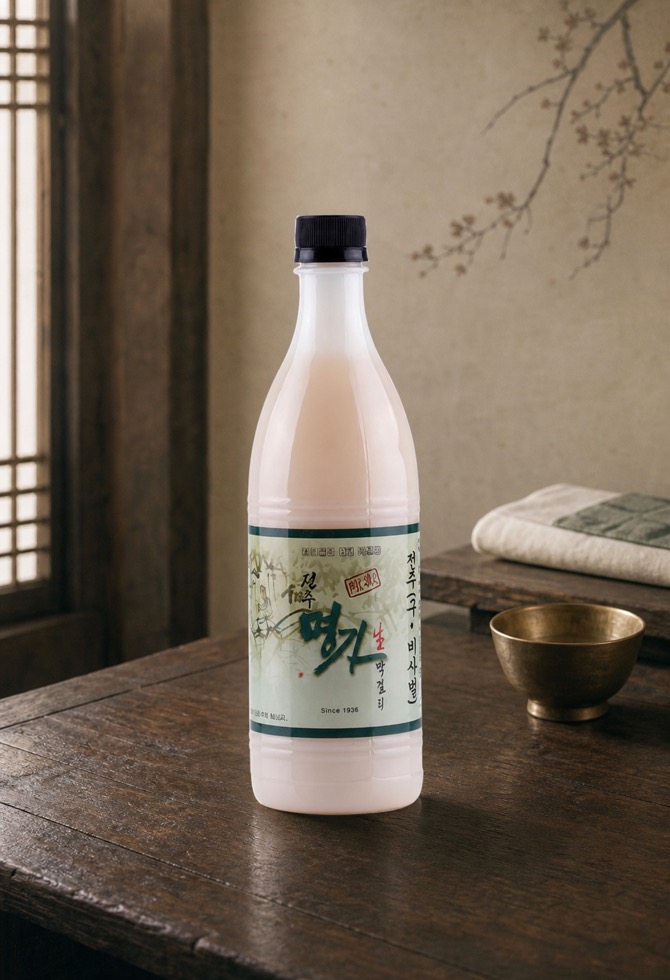
If savory wheat and nuruk aromas appeal, take a look at Myeongga. It is a Jeonju choice for a day when grain sounds more interesting than fruit.
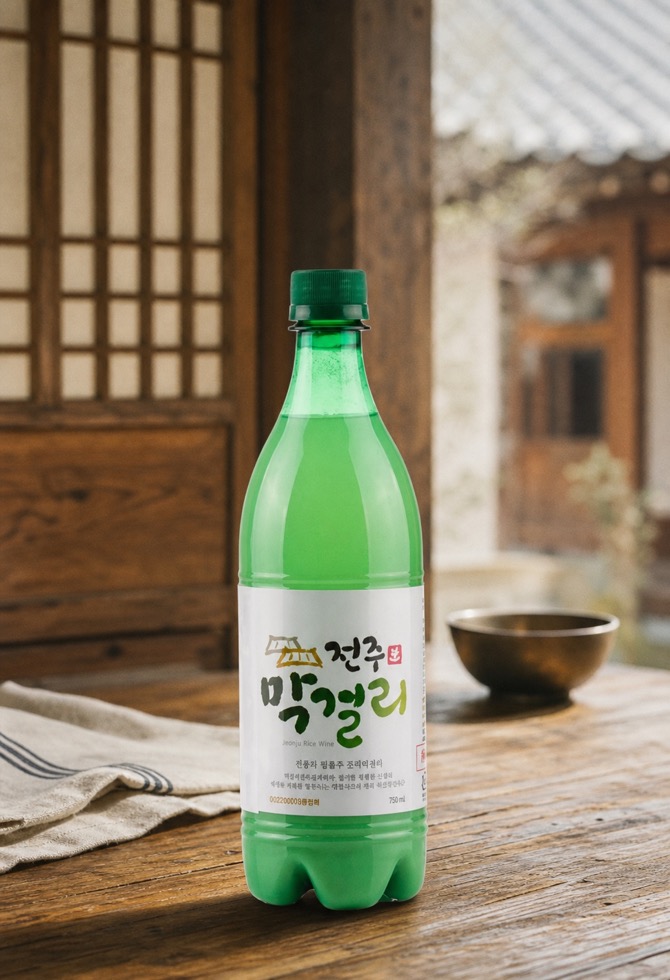
Want kimchi pancakes and beef jeon at the same dinner? This Jeonju makgeolli is described with soft sweetness followed by acidity and light fizz.
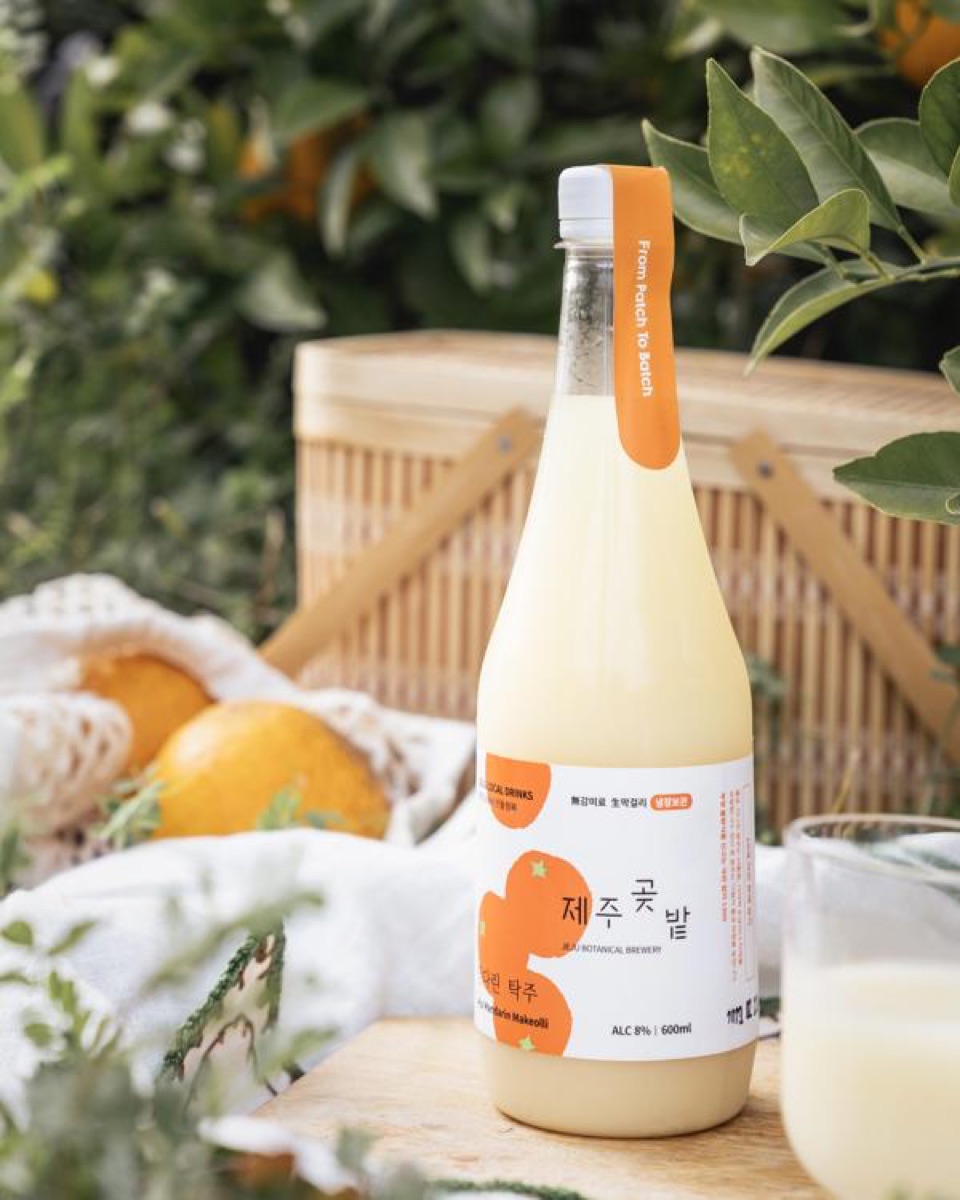
Try Jeju citrus in a different form. Jeju Gotbat’s Mandarin Takju uses juice and peel in an 8% drink.
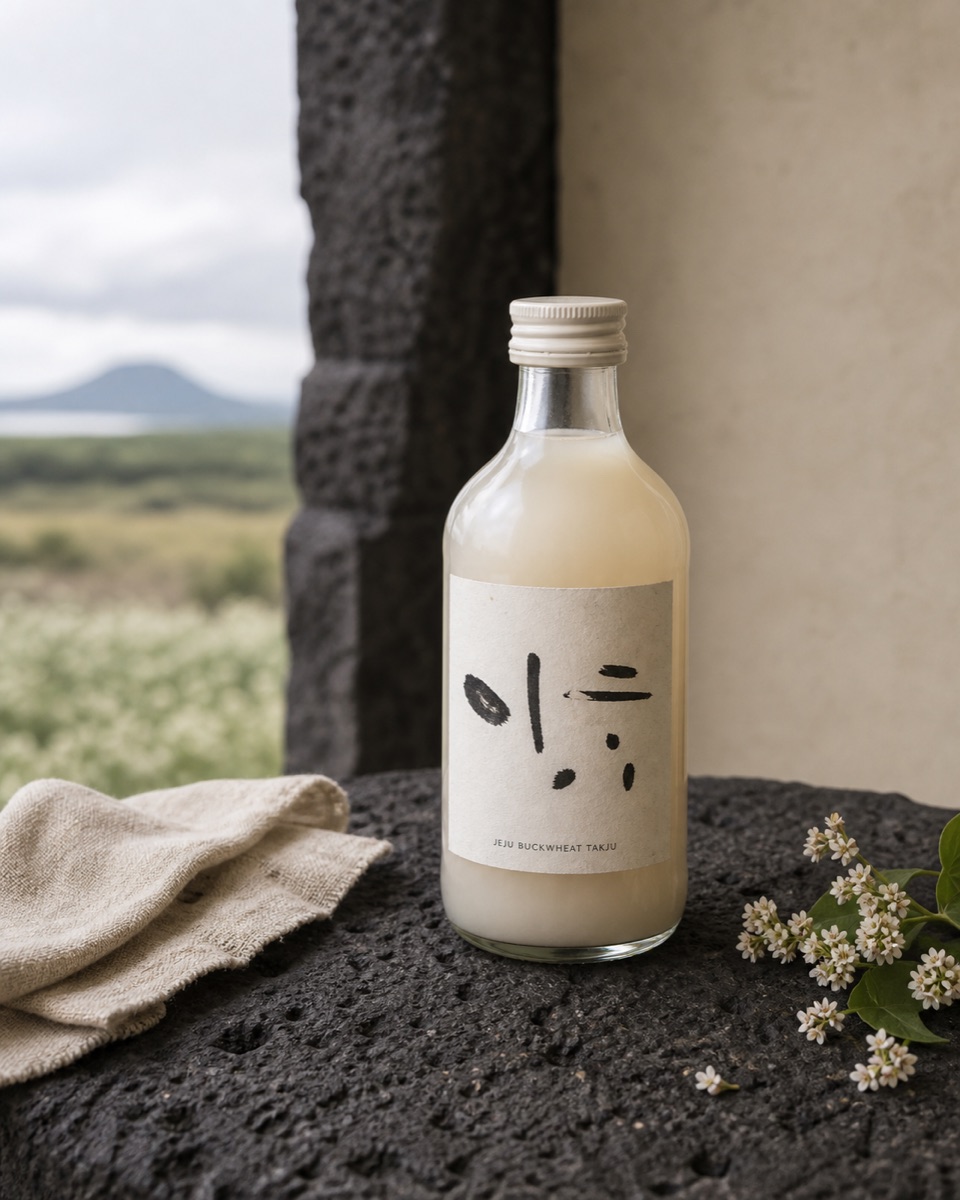
Liked the plain, savory character of Jeju’s bingtteok? (Me)Milju is a 12% takju described with buckwheat savor and a substantial texture.
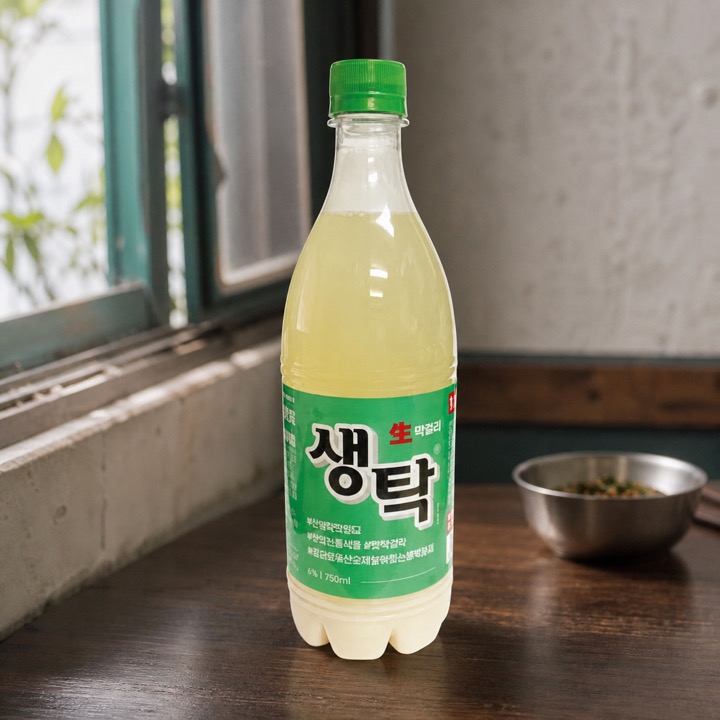
Chosen pork soup for dinner in Busan? Look at a local bottle, too. Saengtak is a 6% makgeolli described with gentle sweetness and toasted-rice character.
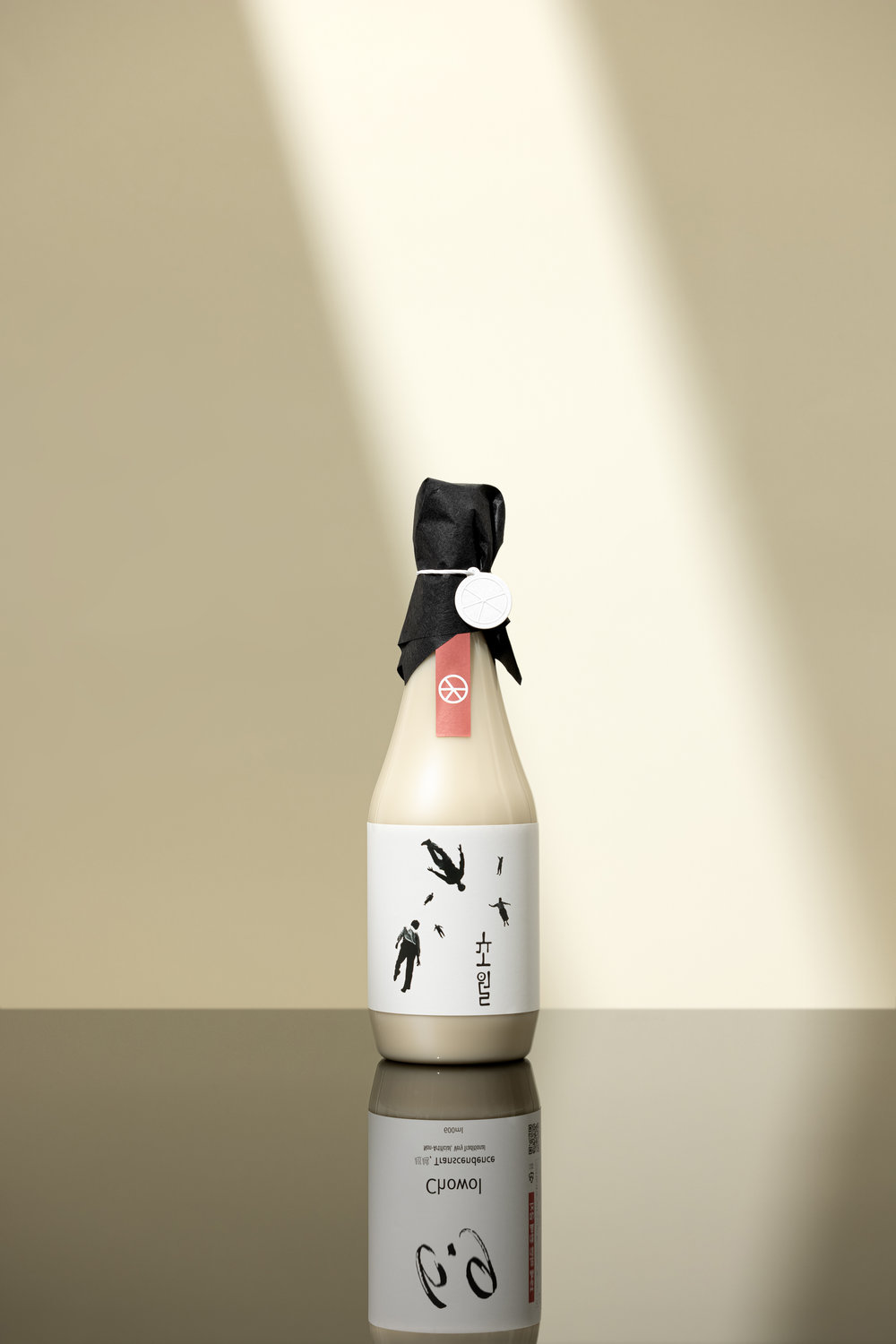
Looking for something less sweet and more tart? Chowol 6.9 comes from Mapo in Seoul, with a substantial rice texture described in its profile.
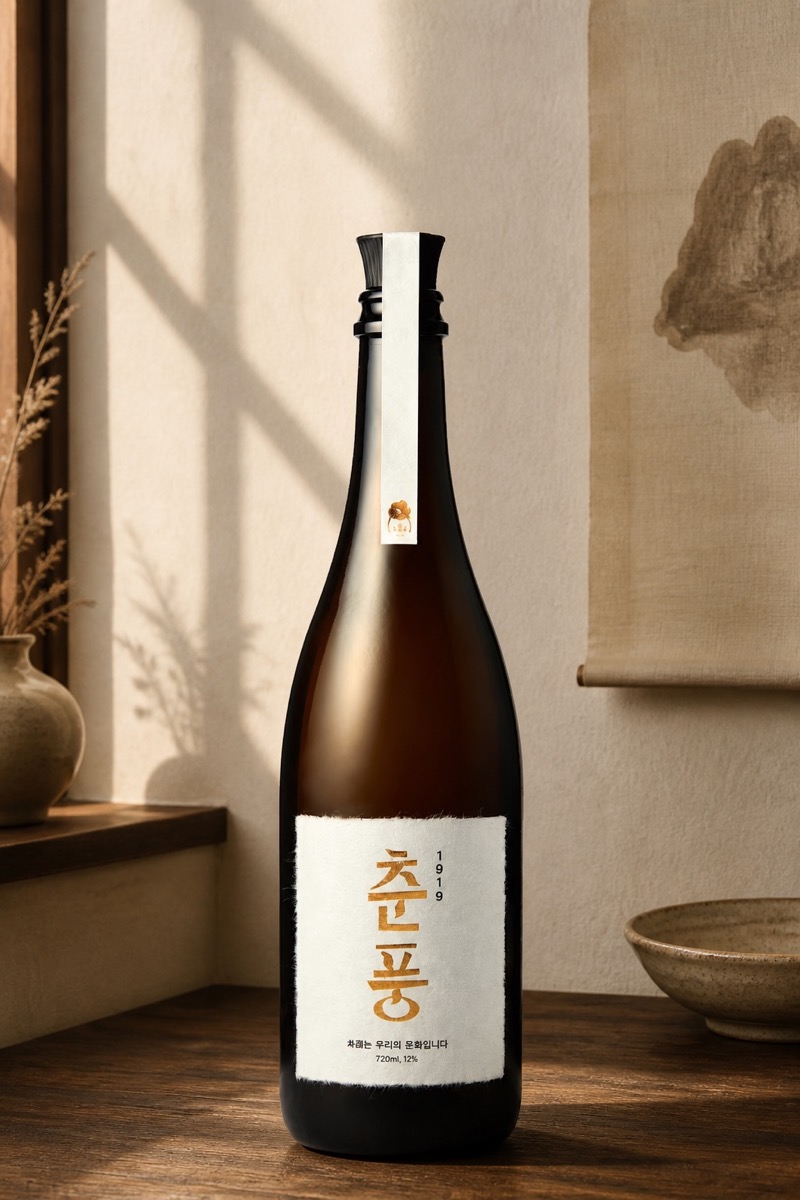
Before mixing Miju 12, look at its clear upper layer. This 12% Seoul drink offers different aromas and textures to compare before and after mixing.
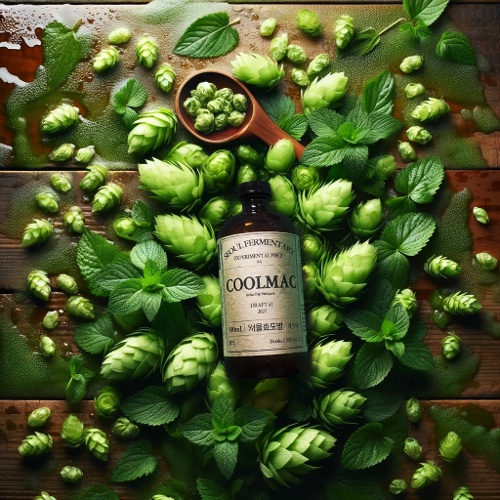
Like the hop aroma of an IPA? Coolmak adds hops to a cloudy Seoul takju at 8.5% ABV.
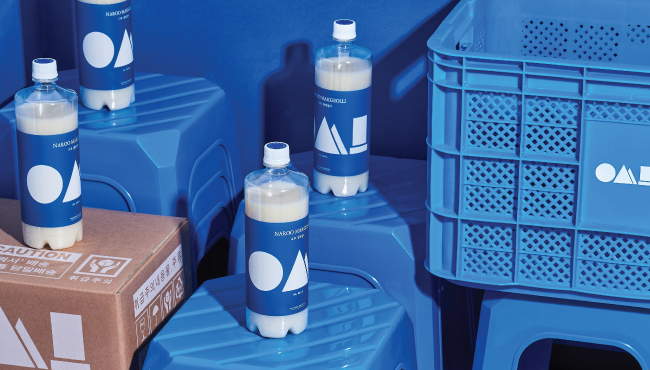
A green-apple-like aroma does not make this a light drink. Seoul Naru 11.5 is a choice to explore for deep sweetness and substantial rice texture.
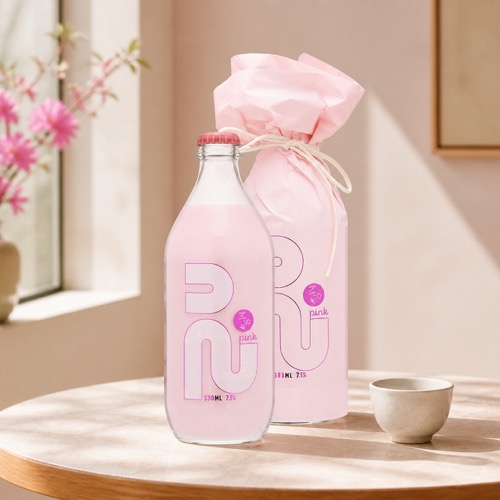
Once the pink color catches your attention, look at the aroma. Seoul Pink uses prickly pear and azalea, with floral, honey-like notes in its profile.
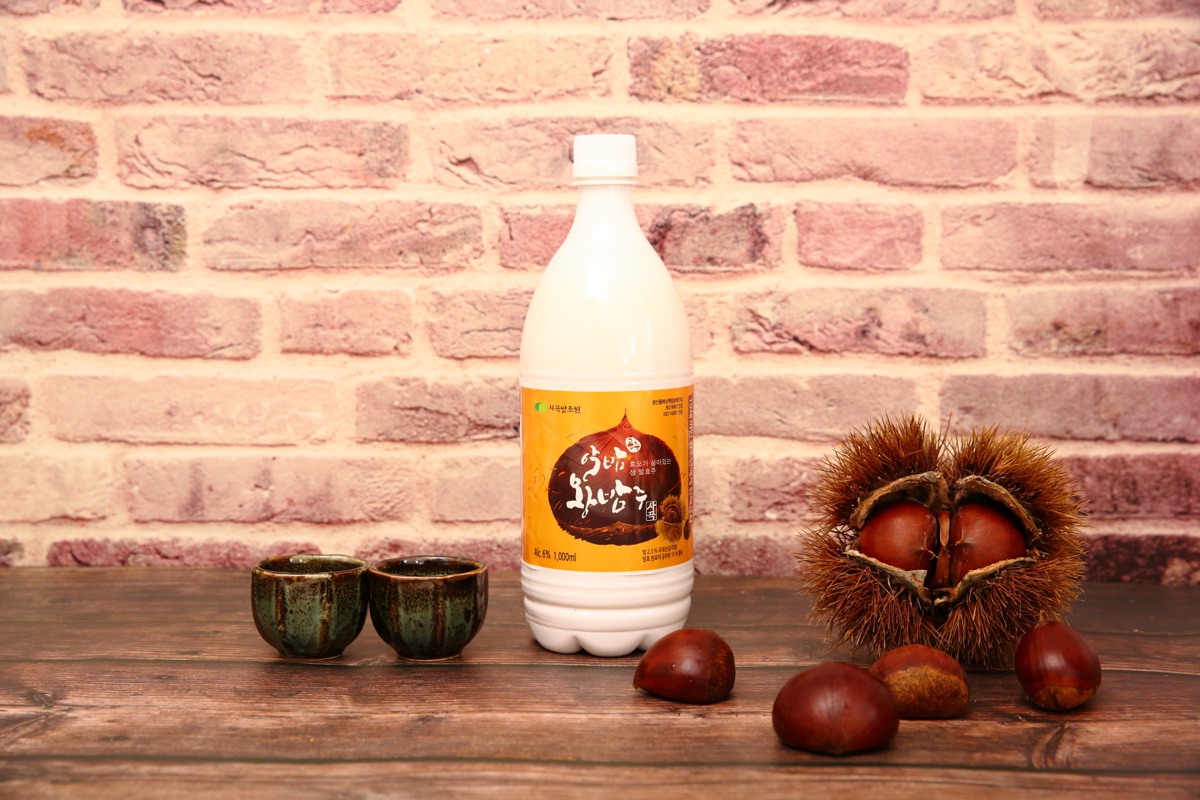
The name resembles Wangbamju, but this is a different drink. Wangbam comes in 375ml at 8% ABV, with a less-sweet, roasted-chestnut profile.
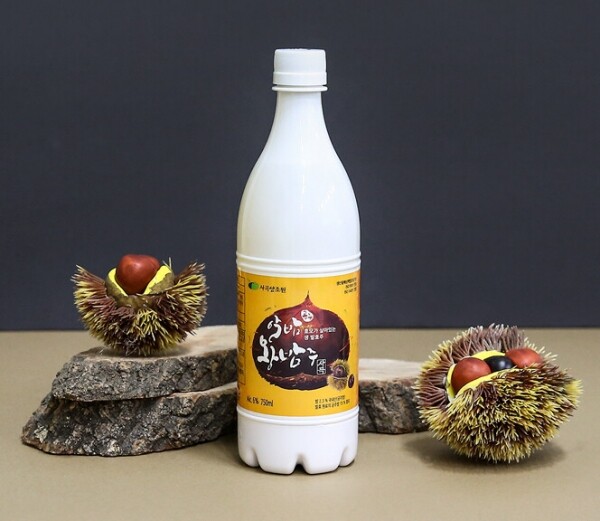
Curious about the sweeter side of chestnut makgeolli? Wangbamju is a 6% Gongju drink in a 1,000ml bottle, described with moderate fizz and a soft texture.