MAKGEOLLI
Geumjeongsanseong: for a day when tart sounds good
Prefer acidity to sweetness? This 8% Busan makgeolli combines a thick texture with the savory character of nuruk, the fermentation starter.
How does it taste?
Its profile is distinctly tart and dense. Consider it when you want something different from a light, refreshing makgeolli.
What pairs with it?
Try a seafood and scallion pancake, such as Dongnae Halmae Pajeon’s specialty. Crisp, oily pancake and tart makgeolli offer a useful contrast.
- Product
- 8% ABV; Korean rice; Yugane nuruk; produced in Geumjeongsanseong Village
- Flavor
- Strong acidity · high viscosity · weighty, smooth texture · quiet aroma · grainy savoriness
- Pairing
- Dotorimuk and Dongnae pajeon
- Experience
- Making nuruk · brewing makgeolli · straining; reservations generally required 2 weeks ahead
- Reviewed
- 2026-08-30
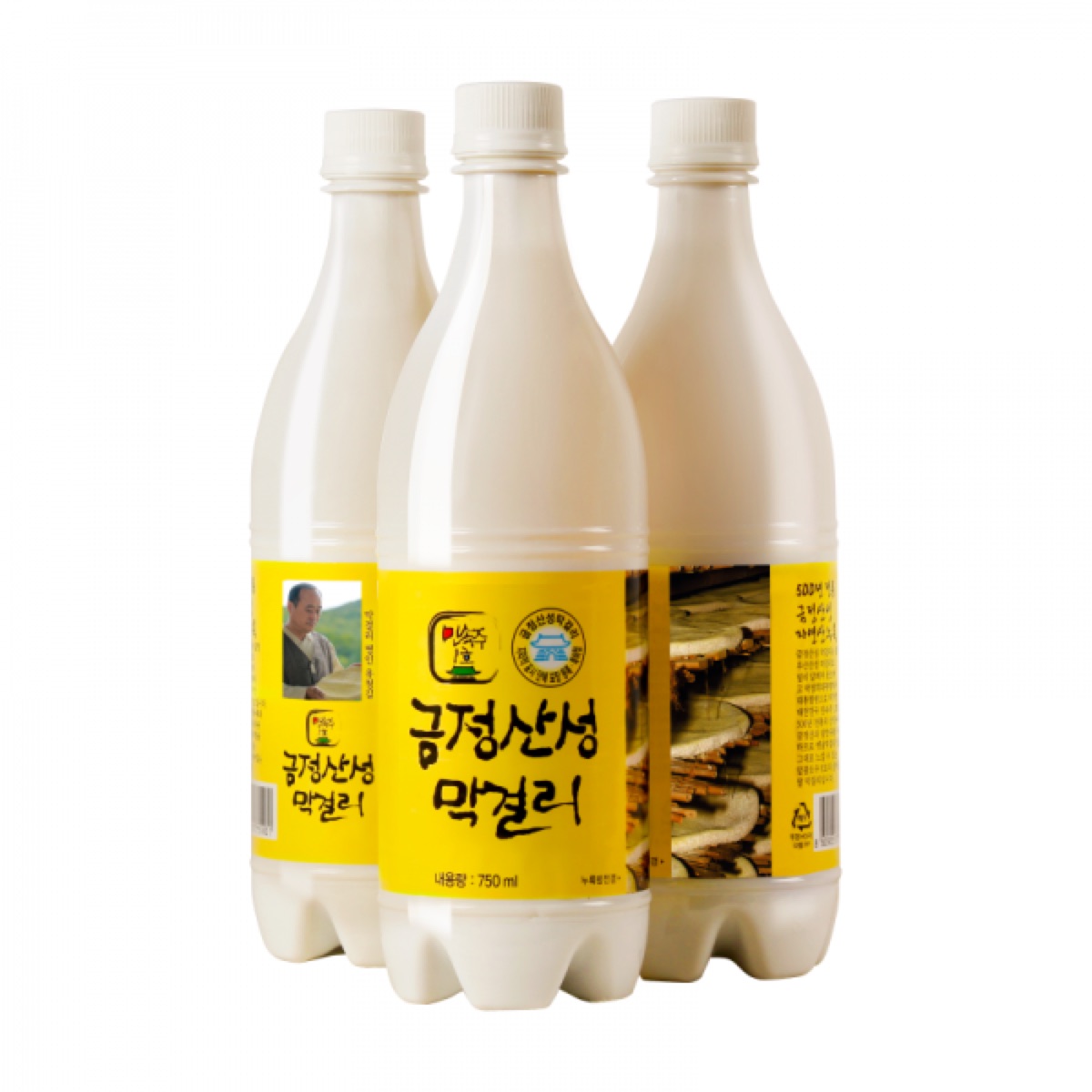
Prefer acidity to sweetness? This 8% Busan makgeolli combines a thick texture with the savory character of nuruk, the fermentation starter.
The backstory
The producer tells a legend of fortress workers taking memories of the local drink home. Read it as an origin story, adding another reason to learn about the village.
Sources
- Geumjeongsanseong Tosanju · Our Makgeolli The 8% ABV product, Korean rice, Yugane nuruk, flavor profile, and naming tradition.
- Geumjeongsanseong Tosanju · Experience Guide Making nuruk, brewing, and straining, with a general rule to reserve 2 weeks ahead.
- Visit Busan · Freshly Strained Traditional Makgeolli We Brewed, Geumjeongsanseong Makgeolli Official tourism tasting language, pairings with dotorimuk and Dongnae pajeon, and regional stories.