MAKGEOLLI
Ishibo: a grape-like aroma with substantial rice texture
A fresh aroma does not always mean a light drink. Ishibo is described with green-grape-like notes and the fuller texture of Jeju glutinous rice.
How does it taste?
Sweet, fresh aromas lead into a substantial body and gentle acidity. Green grape and Shine Muscat are aroma comparisons.
What pairs with it?
Consider grilled pork belly, such as Donsadon’s black-pork ogyeopsal. Check which bottles the restaurant currently serves.
- Ingredient evidence
- Jeju glutinous rice
- Sensory evidence
- Strong green-grape-family aroma · medium sweetness and acidity · medium body
- Food suggestion
- Suyuk
- Copy checked
- 2026-08-30
- Name and family memory
- Name derived from 25 degrees · great-grandmother's brewing and sharing with neighbors
- Shindori travel evidence
- Coastal stone walls · 2025 Marine Life Protection Area · sunset
- Reviewed
- 2026-08-30
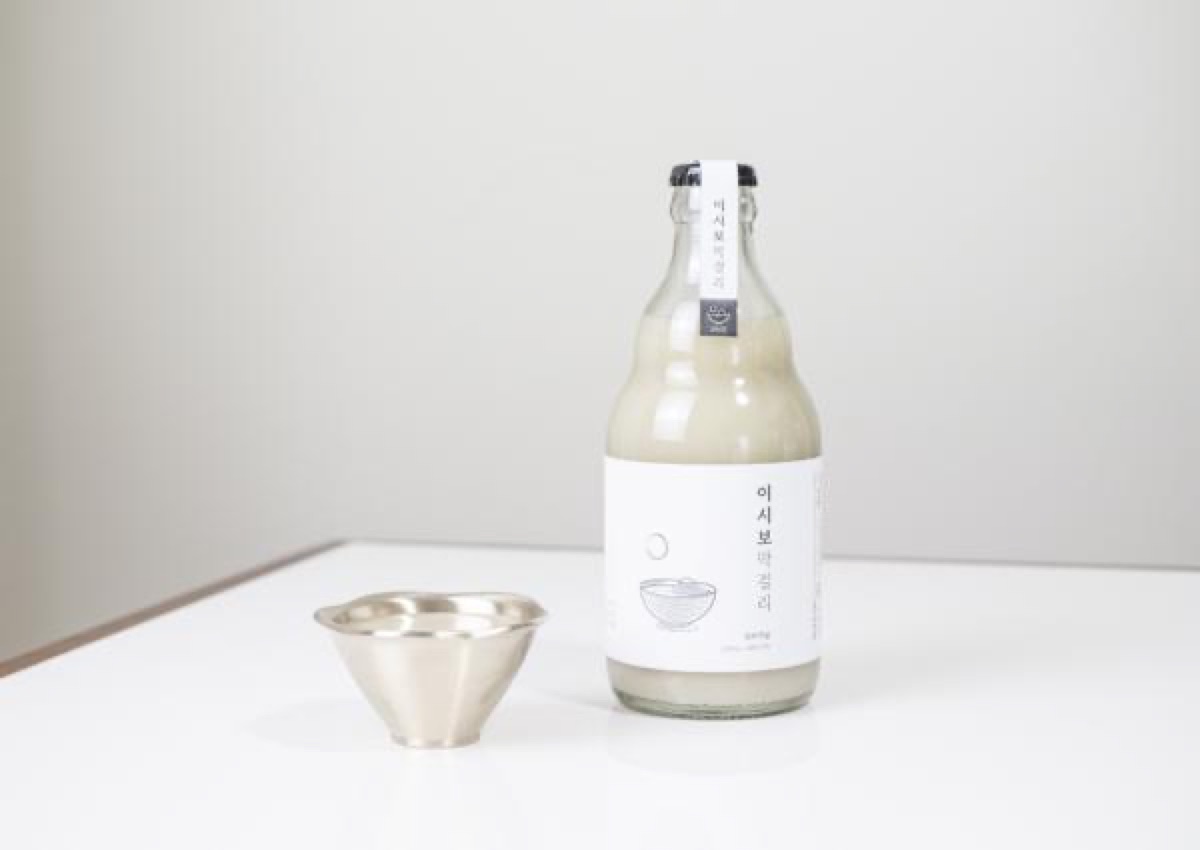
A fresh aroma does not always mean a light drink. Ishibo is described with green-grape-like notes and the fuller texture of Jeju glutinous rice.
The backstory
The producer tells a family story of a great-grandmother making omegi and gosori liquor in Shindori. It offers a background to explore alongside the modern product.
Sources
- VisitJeju · Jeju Traditional Korean Drink Pilgrimage Ishibo's Jeju glutinous rice, aroma, texture, suyuk suggestion, and the founder's family memories.
- Halla Ilbo · CEO Bu Gyeong-cheol Brews the Value of Jeju Drinks from Local Produce A 2025 producer interview covering Ishibo's name origin, dry-field rice milled to 50%, distinctive acidity, and clean flavor.
- JoongAng Ilbo · Ishibo CEO Bu Gyeong-cheol Revives Jeju Traditional Drinks A 2026 producer interview covering his dream of becoming a musician, the name derived from 25 degrees, and family oral history about his great-grandmother Mun Chun-man sharing her brew with neighbors.
- Wiheomhan Dongmul · Ishibo Makgeolli Original Tasting Notes A single taster's 2023-10 record of grape-family fruit aroma, sweetness, acidity, rice savoriness, medium-plus body, and slight viscosity.
- Ministry of Oceans and Fisheries · Notice Designating a Marine Protected Area around Jeju Shindori Designation of waters around Shindori as a Marine Life Protection Area in 2025.
- VisitJeju · 2026 Dolphin Village Sunset Festival A 2026 village record of Shindo 2-ri's sunsets, Indo-Pacific bottlenose dolphin habitat, and conservation stories.
- Public Works Sharing Portal · Coastal Stone Walls in Shindori, Daejeong-eup Single-course field-boundary stone walls in Shindori and their windbreak function through gaps in the stones.