STORY
Jeju’s buckwheat and citrus, by the bottle
Meet buckwheat makgeolli from Gujwa and mandarin takju from Seogwipo.
- Clues to the two products
- (Me)Milju 12%·350ml·Jeju buckwheat / Mandarin Takju 8%·600ml·rice·dangyuja·tangerine blossom·tangerines
- Regional clue
- In 2024, Jeju accounted for 87% of buckwheat cultivation area and 83% of production
- Place
- 1262 Iljuseo-ro, Seogwipo
- Reviewed
- 2026-08-30
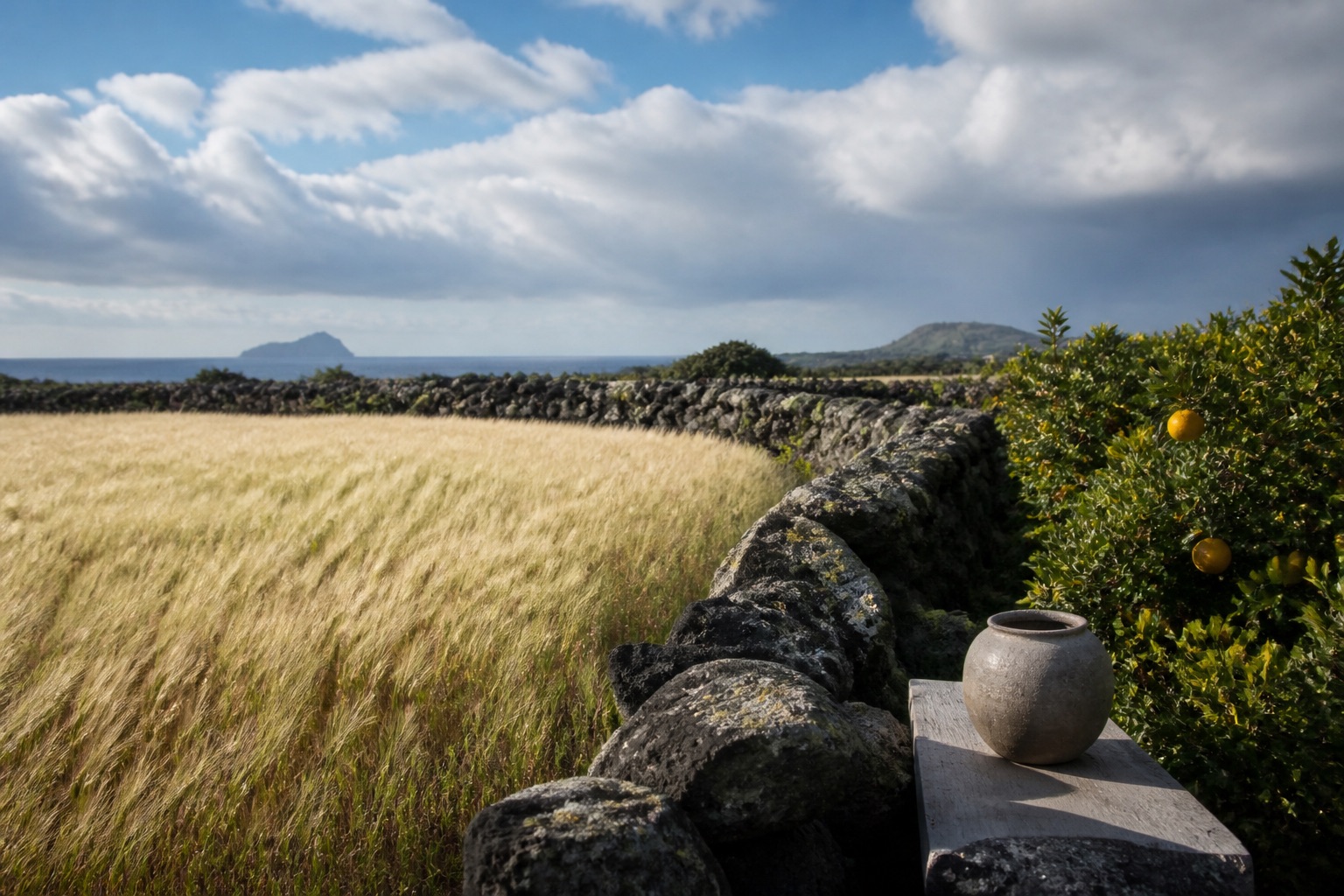
In Jeju, buckwheat becomes bingtteok pancakes and mandarins become a travel snack. What happens when those ingredients become a drink? Two bottles offer a place to start.
Buckwheat from Gujwa
Chame-mil’s Memilju is a 12% drink described with savory buckwheat character and a substantial texture. If bingtteok has caught your attention, this is another way to explore the grain behind its pancake wrapper.
Mandarin takju from Seogwipo
At 8%, Mandarin Takju uses citrus juice and peel, giving a use to material that might otherwise be discarded. Read its tasting profile before expecting a simply sweet fruit drink: citrus can bring more than sweetness.
Put the ingredients beside dinner
Our pairing suggestions are bingtteok with Memilju and grilled pork with Mandarin Takju. One repeats an ingredient across food and drink; the other lets different flavors meet. Either gives you a starting point for choosing dinner.
Follow your route across the island
Gujwa and Seogwipo are separate places. Look for a retailer that fits your accommodation and direction of travel before trying to visit both producers. Finding a bottle should not take over your whole day.
Sources
- VisitJeju, “Jeju’s Sacred Drink Pilgrimage Trail” (Me)Milju at 12%·350ml, made with Jeju buckwheat and described by flavor; Mandarin Takju at 8%·600ml, with ingredients and use of nonmarket tangerines
- Jeju Special Self-Governing Province Agricultural Research and Extension Services, “Jeju Buckwheat” Background for 2024 Jeju buckwheat cultivation statistics
- VisitJeju, “Jeju Gotbat” Introduction to the Jeju Gotbat space and address