REGION
Jeju: when citrus and buckwheat become a drink
Bingtteok, black pork, buckwheat makgeolli and mandarin takju: meet familiar island ingredients in another form.
Getting around & visiting tips- Starting points for three bottles
- (Me)Milju 12%·350ml·Jeju buckwheat / Mandarin Takju 8%·600ml·rice·tangerines / Ishibo·Jeju glutinous rice
- Regional clue
- In 2024, Jeju accounted for 87% of buckwheat cultivation area and 83% of production
- Copy reviewed
- 2026-08-30
- Confirmed place address
- Jeju Gotbat · 1262 Iljuseo-ro, Seogwipo
- Reviewed
- 2026-08-30

Tried a mandarin or a buckwheat pancake in Jeju? You might be curious about drinks made with those ingredients, too. Explore Memilju, Mandarin Takju and rice-based Ishibo, starting with what you want to eat.
Masillog tasting note · 12% buckwheat, 8% tangerine blossom, green-grape aroma in glutinous rice
Separating the three flavor paths makes choosing easier. (Me)Milju moves from fragrant Jeju buckwheat → savory flavor → weighty texture. Mandarin Takju moves from dangyuja and tangerine-blossom aromas → tangerine juice and peel → a refreshing impression. Ishibo, brewed from Jeju glutinous rice, moves from sweet-tart green-grape and Shine Muscat aromas → weighty texture; the feature recommends suyuk alongside it. All are flavor descriptions from 2023 Jeju Tourism Organization sommelier-style recommendation content. They do not establish actual grape use or the sweetness, acidity, carbonation, or finish of all three products.
What to eat here
Look into Boseong Market for bingtteok, or Tapbupyeong and Donsadon for black pork. These are pairing ideas for Memilju with pancakes, and Mandarin Takju or Ishibo with pork. Check current menus and bottle availability separately.
Check before traveling
Product descriptions are based on 2023 tourism material and do not guarantee current retailers, inventory, or Jeju-only distribution. The hero image is an editorial concept image, not a photograph of a specific field, brewery, or product.
Makgeolli from this region
LOCAL BOTTLES · 03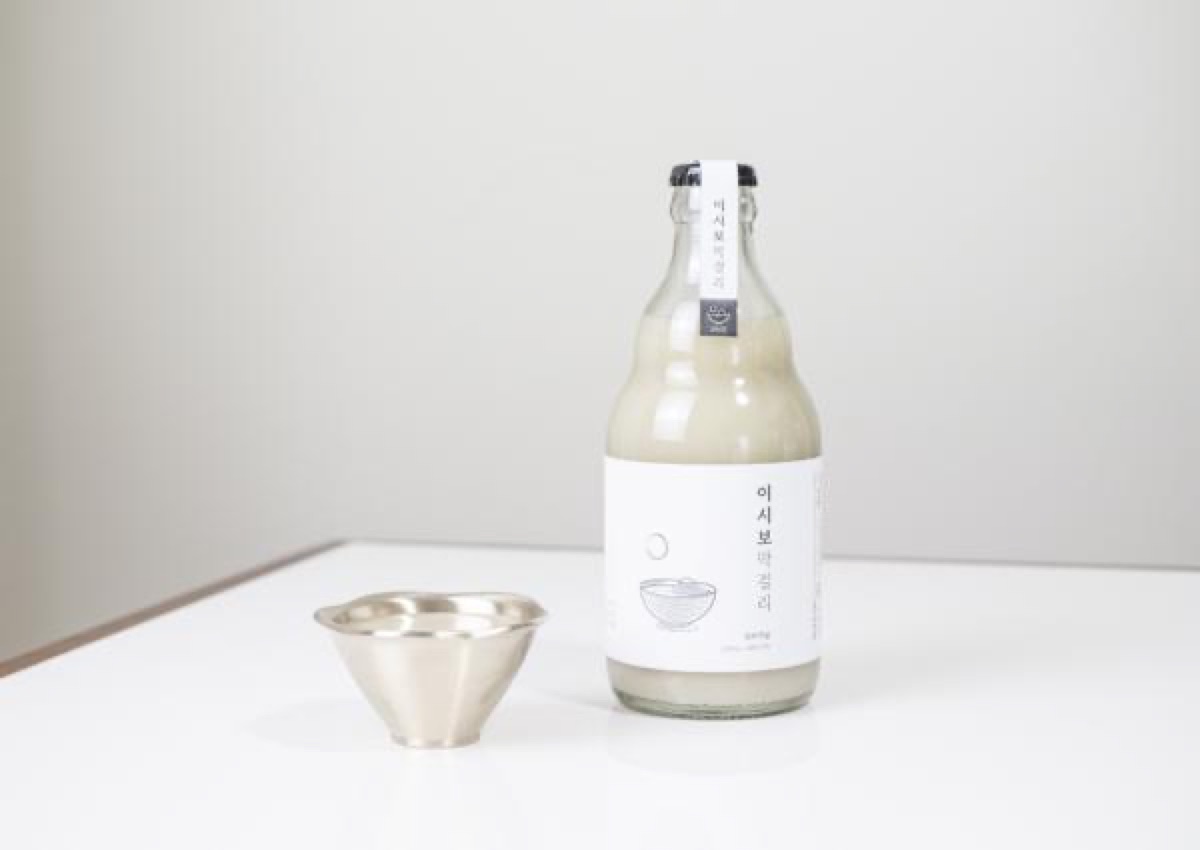
Ishibo: a grape-like aroma with substantial rice texture
A fresh aroma does not always mean a light drink. Ishibo is described with green-grape-like notes and the fuller texture of Jeju glutinous rice.
TasteSweet, fresh aromas lead into a substantial body and gentle acidity. Green grape and Shine Muscat are aroma comparisons.
With foodConsider grilled pork belly, such as Donsadon’s black-pork ogyeopsal. Check which bottles the restaurant currently serves.
View bottle details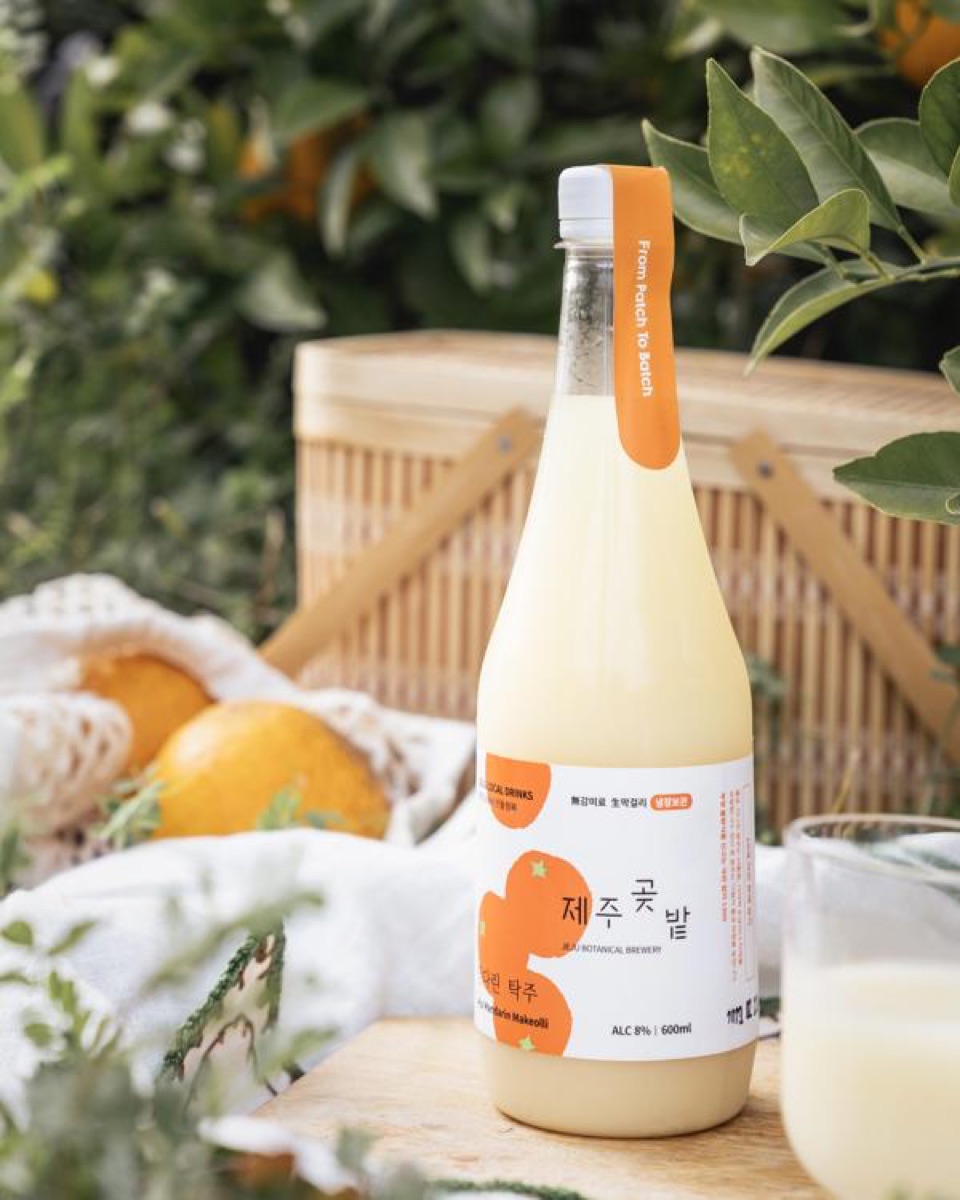
Mandarin Takju: another way to enjoy Jeju citrus
Try Jeju citrus in a different form. Jeju Gotbat’s Mandarin Takju uses juice and peel in an 8% drink.
TasteIts profile describes citrus-peel and blossom-like aromas with acidity. Tasting references to blossoms or dangyuja are separate from the ingredient list.
With foodConsider grilled pork, such as the black-pork meal associated with Tapbupyeong’s main branch. Use it as a pairing idea if citrus and grilled meat appeal.
View bottle details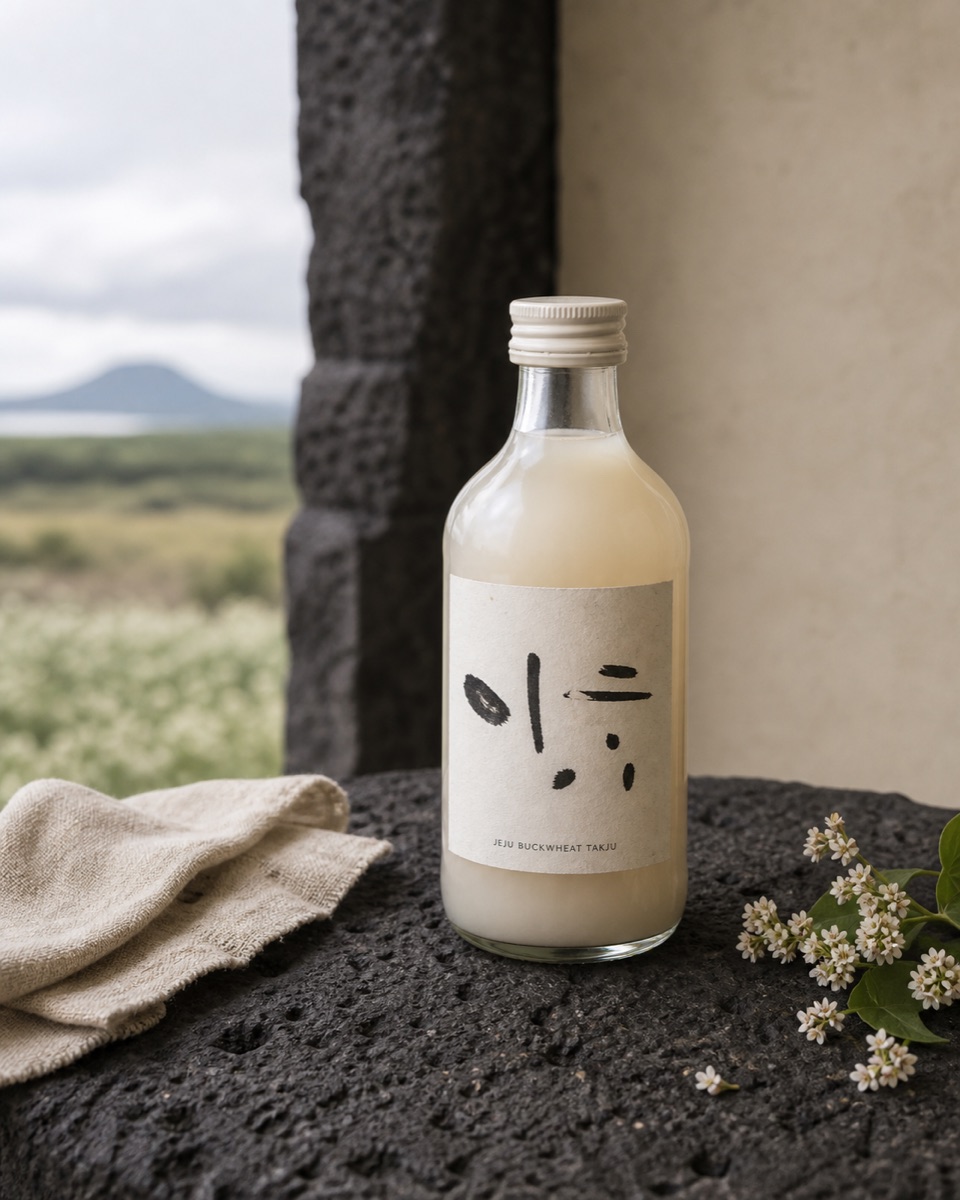
(Me)Milju: from buckwheat pancake to buckwheat drink
Liked the plain, savory character of Jeju’s bingtteok? (Me)Milju is a 12% takju described with buckwheat savor and a substantial texture.
TasteGrain and buckwheat, rather than fruit-like aromas, lead its profile. Consider it if a fuller texture interests you.
With foodTry the idea with bingtteok, a thin buckwheat pancake wrapped around radish, such as those found through Boseong Market. Compare the same ingredient in food and drink.
View bottle detailsMake this a real trip
Explore other destinationsPlan your transport
Check the route from your accommodation to each stop, including the last bus or train back. A brewery address does not mean there is a tasting room.
Transport guide from VisitKoreaBefore choosing a bottle
Makgeolli is a fermented alcoholic drink, usually made with rice. Food pairings here are suggestions; they do not confirm that a restaurant stocks the bottle. Check the menu, opening hours and booking requirements directly.
Need help in your language?
VisitKorea lists multilingual travel assistance through 1330. Travel information and help
Transport resources checked September 5, 2026. Route times and availability are not live.
Sources
- VisitJeju, “Jeju’s Sacred Drink Pilgrimage Trail” A 2023 introduction to Jeju drink tourism and descriptions of three products
- Jeju Special Self-Governing Province Agricultural Research and Extension Services, “Jeju Buckwheat” Research background for Jeju buckwheat cultivation area and production in 2024
- VisitJeju, “Jeju Gotbat” Introduction to the Jeju Gotbat space and its address at 1262 Iljuseo-ro, Seogwipo