STORY
What’s for dinner in Gwangju?
Choose between tteokgalbi, beef jeon and lettuce-wrapped fritters, then explore a local bottle to match.
- Mountain
- Mudeungsan
- Neighborhood
- Bia-dong
- Brewery location
- Dongmyeong-dong
- Reviewed
- 2026-08-30
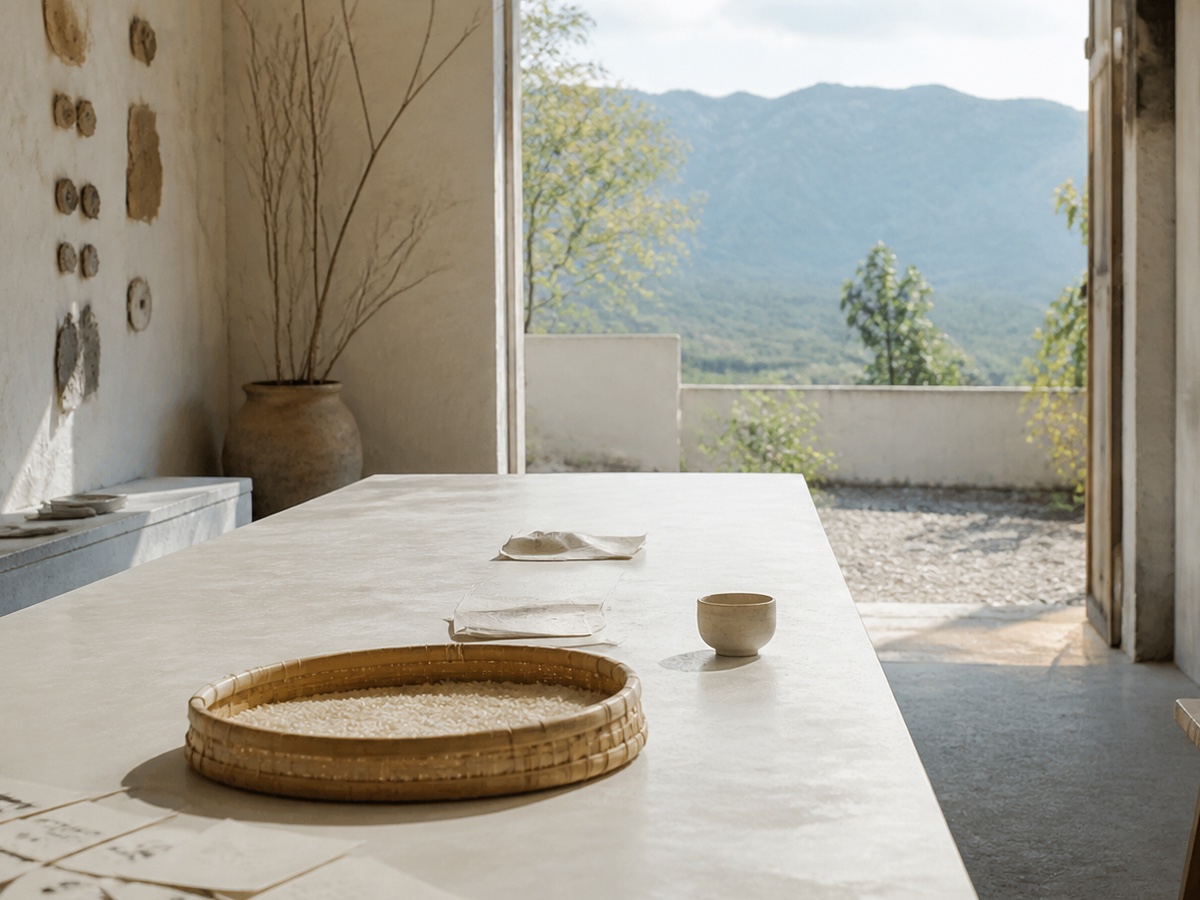
Gwangju gives you good reasons to think about dinner early: grilled tteokgalbi patties, beef dipped in egg and fried, or fritters wrapped in lettuce. Pick the dish that appeals, then meet the local bottles.
Tteokgalbi and Mudeungsan
Mudeungsan makgeolli is described as a 6% grain-forward drink with acidity and fizz. Consider it alongside sweet-savory tteokgalbi. Its mountain name is part of its identity, rather than evidence of what causes its flavor.
A neighborhood named Via
Via makgeolli carries a Gwangju neighborhood’s name. One tasting record describes gentle sweetness followed by more noticeable fizz. That is an account of a particular tasting, not a change every bottle is guaranteed to show.
A different profile from Dongmyeong-dong
Kkumui Daehwa is a 10% drink described with peach- or plum-like aromas and a bittersweet finish. These are flavor comparisons, not an ingredient list. Beef jeon or lettuce-wrapped fritters offer another pairing to consider.
One dinner is enough
You do not need to collect all three drinks and dishes. Check the menu at the restaurant you want to visit and see which bottles it carries. Leaving something for your next Gwangju trip can be part of the pleasure.
Sources
- Gwangju Culture, Arts and Humanities Story Platform, “Mudeungsan Rice Makgeolli” Confirmed 2026-08-30. Product-name origin and specifications in a 2024 cultural record.
- Gwangju Culture, Arts and Humanities Story Platform, “Bia Rice Makgeolli” Confirmed 2026-08-30. Product name derived from Bia-dong and a secondary flavor record (a 2nd-hand source).
- Korea National Park Service, “Mudeungsan National Park” Confirmed 2026-08-30. Jinsan description, national-park designation, and two explanations of the name.
- Kkum Brewery, “Kkumui Daehwa Takju 10%” Confirmed 2026-08-30. Producer specifications and flavor description.
- Korea Tourism Organization, “Kkum Brewery” Confirmed 2026-08-30. Dongmyeong-dong address and brewing and tasting activities; current operations require reconfirmation.
- OhmyNews, “Whiskey for a Highball? Try This in Gwangju and You May Think Differently” Confirmed 2026-08-30. A 2023 report describing Mudeungsan Rice Makgeolli’s fermentation-derived carbonation, umami, and tart, refreshing profile.