REGION
Gwangju: the pleasant problem of choosing dinner
Tteokgalbi, beef jeon or lettuce-wrapped fritters? Explore a local bottle alongside your choice.
Getting around & visiting tips- Region
- Gwangju
- Route through names
- Mudeungsan / Bia-dong / Dongmyeong-dong
- Most specific flavor description
- Producer description for Kkumui Daehwa 10%
- Reviewed
- 2026-08-30
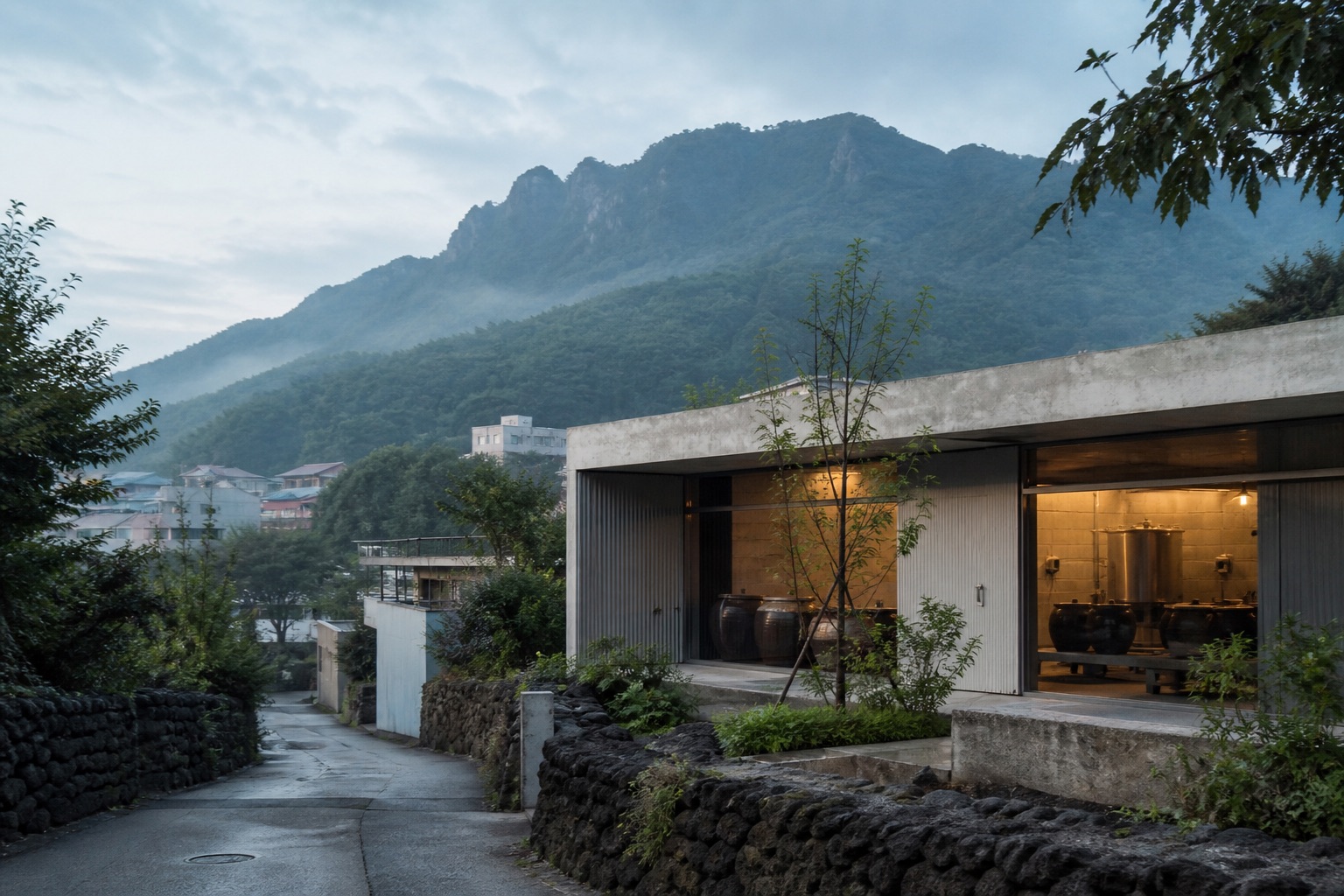
Start with the dish: grilled tteokgalbi patties, egg-coated beef or fritters wrapped in lettuce. Then meet tart Mudeungsan, gentle Via and fruit-aromatic Kkumui Daehwa.
Masillog tasting note · The sour refreshing sensation of Mudeungsan Mountain
A 2023 report describes Mudeungsan Rice Makgeolli as having natural fermentation-derived carbonation, umami, and a tart, refreshing profile. It also mentions softness from long, low-temperature fermentation. Because this is not a sensory panel documenting serving temperature and production date, do not assume identical intensity in every bottle.
What to eat here
Songjeong Tteokgalbi 1st Branch, Hyeonwan Dangyeom and Mimiwon are food candidates. Pairing them with the featured bottles is an editorial suggestion, not a stock confirmation. Check their locations and current menus before choosing.
Before the trip · Current status of Dongmyeong-dong
The Korea Tourism Organization lists Kkum Brewery at 18-15 Donggyecheon-ro 95beon-gil, Dong-gu, Gwangju. Tasting activities and operating details may change, so confirm current hours and reservation requirements before visiting.
Makgeolli from this region
LOCAL BOTTLES · 03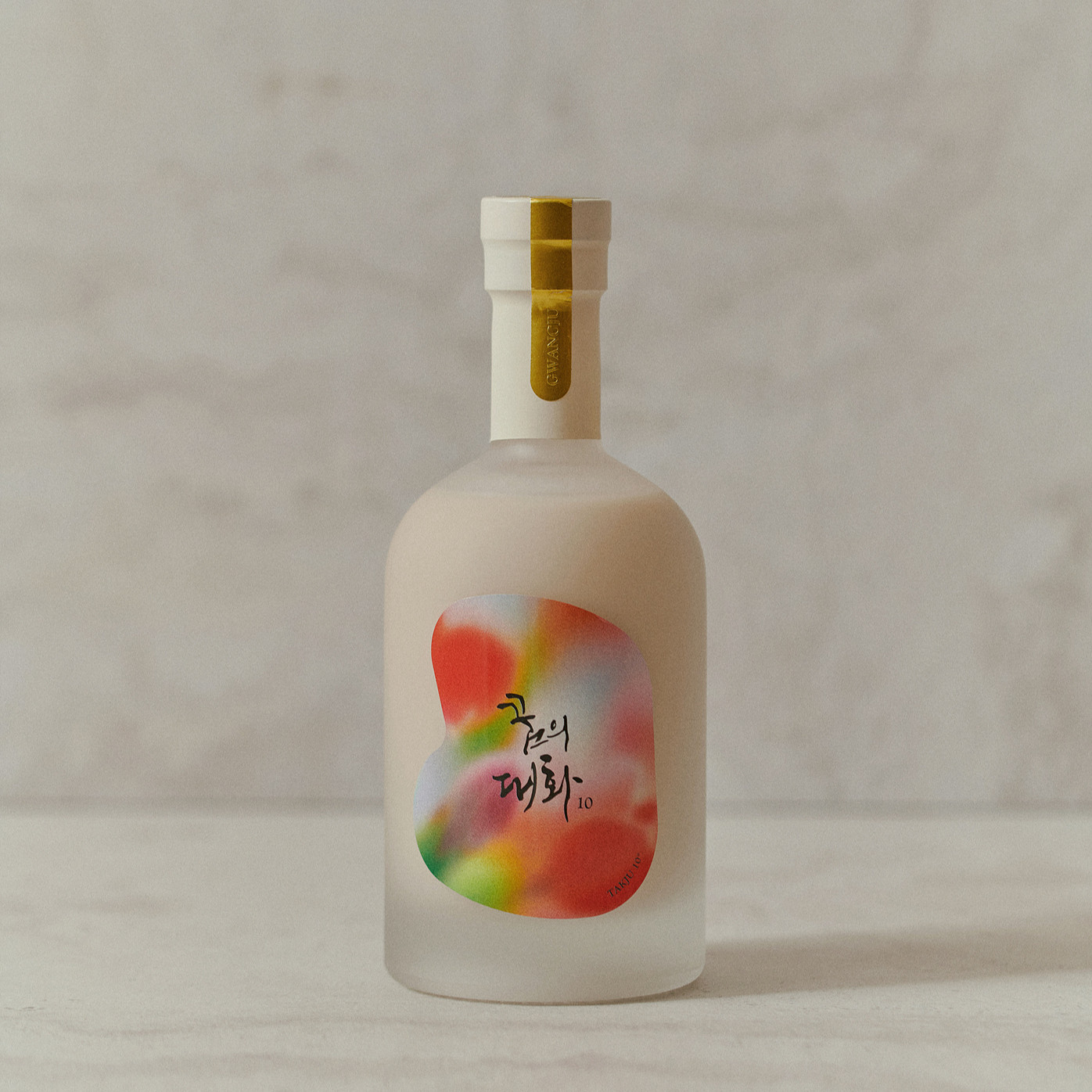
Kkumui Daehwa: fruit-like aroma, a bittersweet finish
Curious about peach- or plum-like aromas? This 10% Gwangju takju is described with soft rice sweetness followed by a little bitterness.
TasteThe tasting profile brings together fruit-like aromas and savory rice. Peach and plum are comparisons; check the ingredients separately.
With foodConsider a tteokgalbi dinner, such as Songjeong Tteokgalbi 1st Branch. The sweet-savory meat is a pairing suggestion, not confirmation that the venue carries this bottle.
View bottle details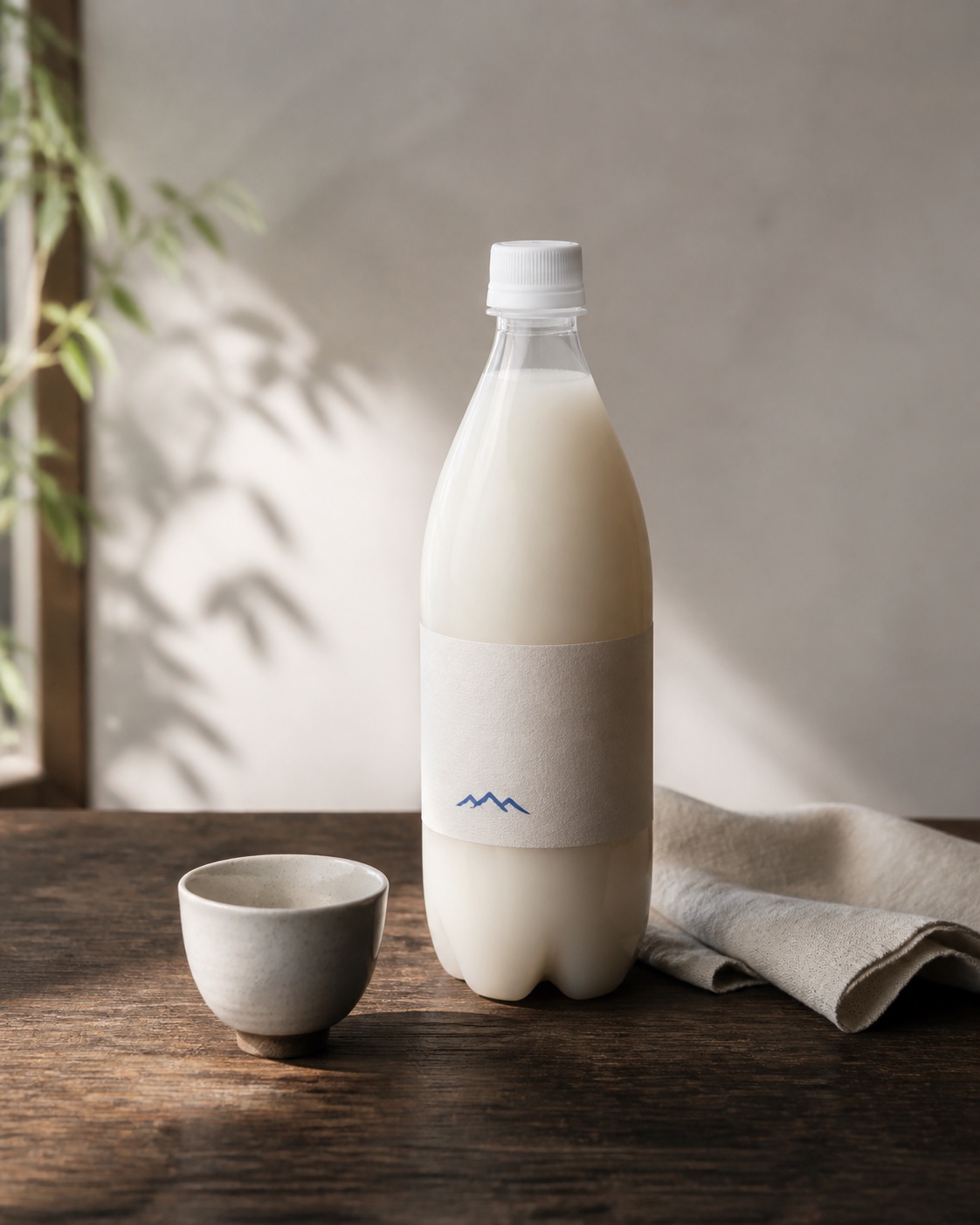
Mudeungsan: a tart choice beside Gwangju beef jeon
What would you pour with egg-coated beef jeon? Mudeungsan is a 6% bottle combining soft rice character with acidity and fizz.
TasteThe profile describes savory grain, a smooth texture and a fresher, fizzy finish. Consider it if a tart style appeals.
With foodTry the idea with beef jeon, such as the dish associated with Mimiwon in Dongmyeong-dong. Check the restaurant’s actual drink selection separately.
View bottle details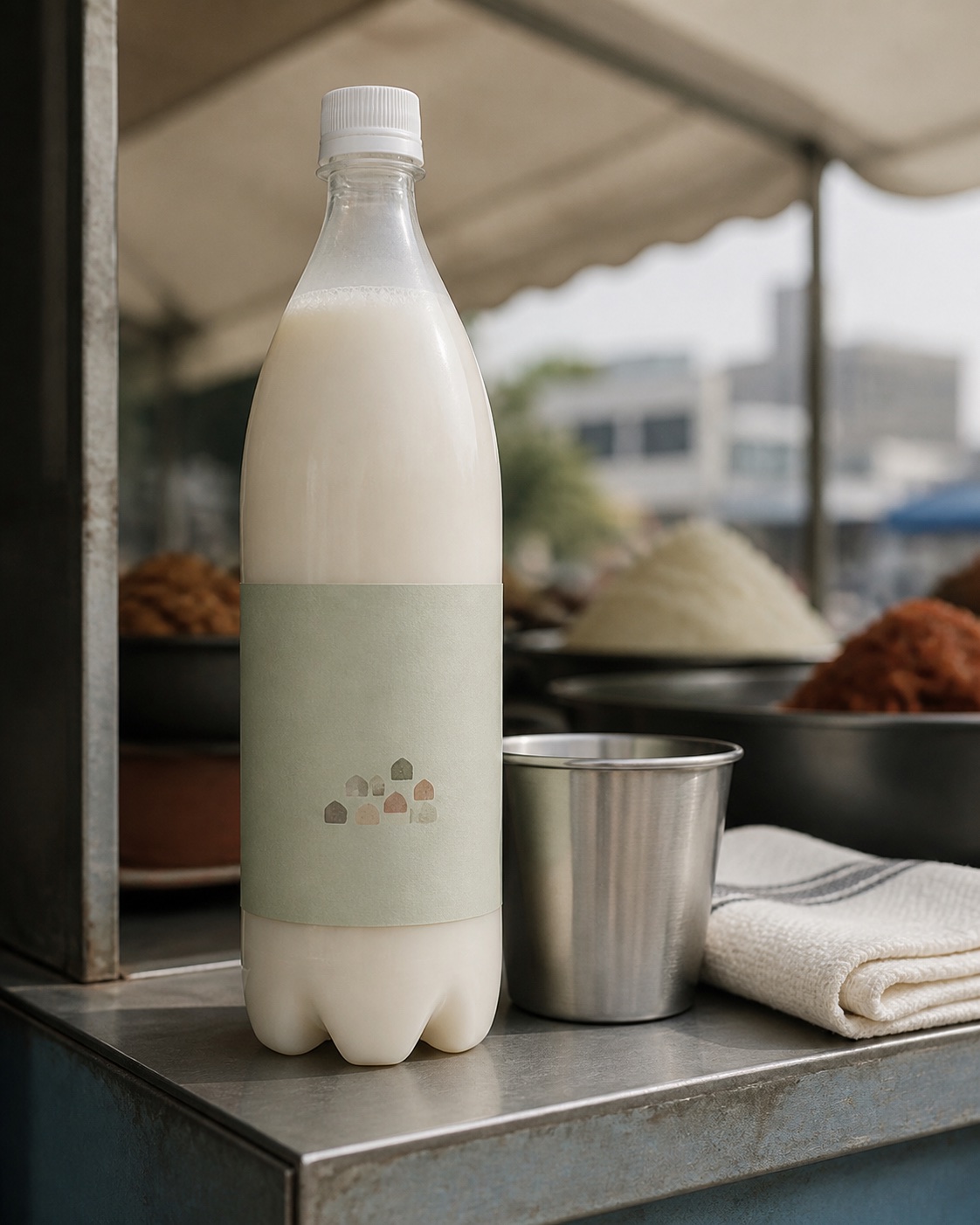
Via: a Gwangju neighborhood on the label
Via is a place name in Gwangju’s Gwangsan district. Meet it through a 6% makgeolli described with gentle rice sweetness.
TasteThe profile emphasizes soft sweetness and light fizz. Increased fizz after refrigeration comes from an individual tasting record, not a guarantee or an instruction to mature the bottle further.
With foodConsider lettuce-wrapped fritters, such as Hyeonwan Dangyeom’s sangchu-twigim. Check the current menu and which drinks the venue serves.
View bottle detailsMake this a real trip
Explore other destinationsPlan your transport
Check the route from your accommodation to each stop, including the last bus or train back. A brewery address does not mean there is a tasting room.
Transport guide from VisitKoreaBefore choosing a bottle
Makgeolli is a fermented alcoholic drink, usually made with rice. Food pairings here are suggestions; they do not confirm that a restaurant stocks the bottle. Check the menu, opening hours and booking requirements directly.
Need help in your language?
VisitKorea lists multilingual travel assistance through 1330. Travel information and help
Transport resources checked September 5, 2026. Route times and availability are not live.
Sources
- Gwangju Culture, Arts and Humanities Story Platform, “Mudeungsan Rice Makgeolli” Confirmed 2026-08-30. A 2024 cultural record giving 6%·750ml specifications and a product name derived from Mudeungsan.
- Gwangju Culture, Arts and Humanities Story Platform, “Bia Rice Makgeolli” Confirmed 2026-08-30. Specifications, place-name origin, flavor, and conditional carbonation in a 2024 secondary record (a 2nd-hand source).
- Korea National Park Service, “Mudeungsan National Park” Confirmed 2026-08-30. Designation information and meanings attributed to the name Mudeungsan.
- Kkum Brewery, “Kkumui Daehwa Takju 10%” Confirmed 2026-08-30. 10%·375ml specifications, ingredient and storage labeling, and the producer’s flavor description.
- Korea Tourism Organization, “Kkum Brewery” Confirmed 2026-08-30. Dongmyeong-dong address and brewing and tasting activities; current operations require reconfirmation.
- OhmyNews, “Whiskey for a Highball? Try This in Gwangju and You May Think Differently” Confirmed 2026-08-30. A 2023 report describing Mudeungsan Rice Makgeolli’s fermentation-derived carbonation, umami, and tart, refreshing profile.