REGION
Gongju: there’s more than one chestnut bottle
Wangbamju, Wangbam and Gunbam offer different ways to explore sweetness and toasted chestnut flavor.
Getting around & visiting tips- Gongju chestnut production
- About 2,100 farms · roughly 7,000 tons per year · 17% of national production (Gongju City, 2024)
- two bottles from Sagok
- Wangbamju 6%·1,000ml / Wangbam Makgeolli 8%·375ml
- Bottle from Uidang
- Gongju Gunbam Makgeolli 6%
- Reviewed
- 2026-08-30
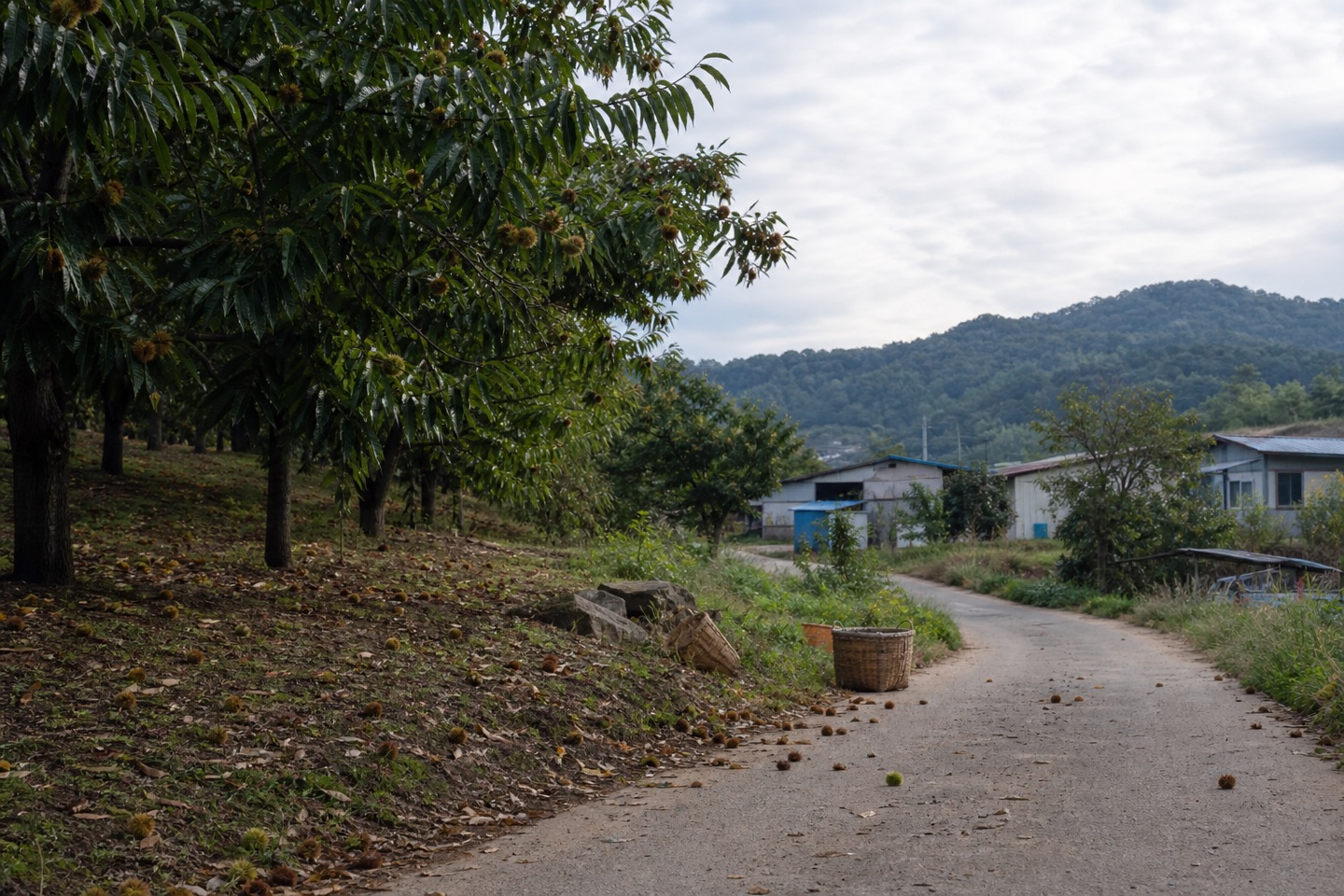
In Gongju, chestnuts are more than a snack to carry around. They become drinks called Wangbamju, Wangbam and Gunbam. Compare the profiles to find whether sweet, less sweet or toasted sounds best to you.
Masillog tasting note · How to choose among three bottles
Begin with the sweet, refreshing direction in a 2025 Wangbamju record. Move to the less-sweet flavor and roasted-chestnut savoriness in a 2017 Wangbam Makgeolli record. Finish by comparing the smooth texture and lingering sweetness recorded for Uidang’s Gunbam Makgeolli.
What to eat here
Consider seafood pancakes at Gongju Sanseong Market, chestnut dishes at Mimaji or boiled pork at Gwangjang Sundae. Repeat the chestnut ingredient in your meal, or try a simpler meat dish alongside it. Confirm menus and bottle availability separately.
Read the name together with the producer
Sagok Brewery is listed at 49 Magoksa-ro, Sagok-myeon, Gongju, and Cheonjiin at 158-21 Yuljeong-gil, Uidang-myeon, Gongju. Wangbamju and Wangbam Makgeolli have similar names but are separate products with different specifications; Gunbam Makgeolli also comes from a different producer.
Makgeolli from this region
LOCAL BOTTLES · 03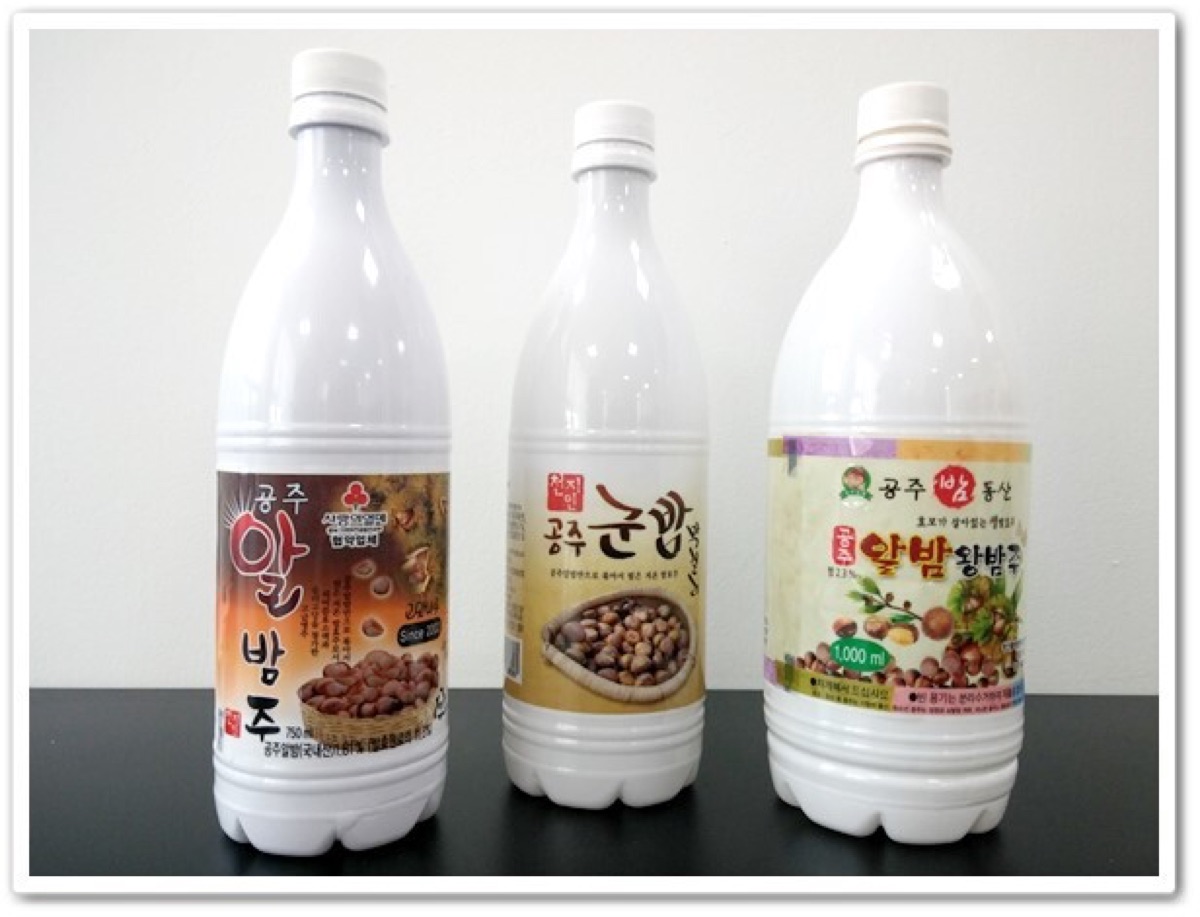
Gunbam: Gongju’s toasted-chestnut choice
Like roasted chestnuts? Gunbam may catch your attention by name alone. This 6% makgeolli is described with a soft opening and lingering chestnut sweetness.
TasteThe sweetness lasts, while the texture is described as relatively light. Roasted chestnut is a tasting impression; consult the label for production details.
With foodConsider chestnut dishes at Mimaji or charcoal-grilled chicken. Check the current menu and bottle availability before visiting.
View bottle details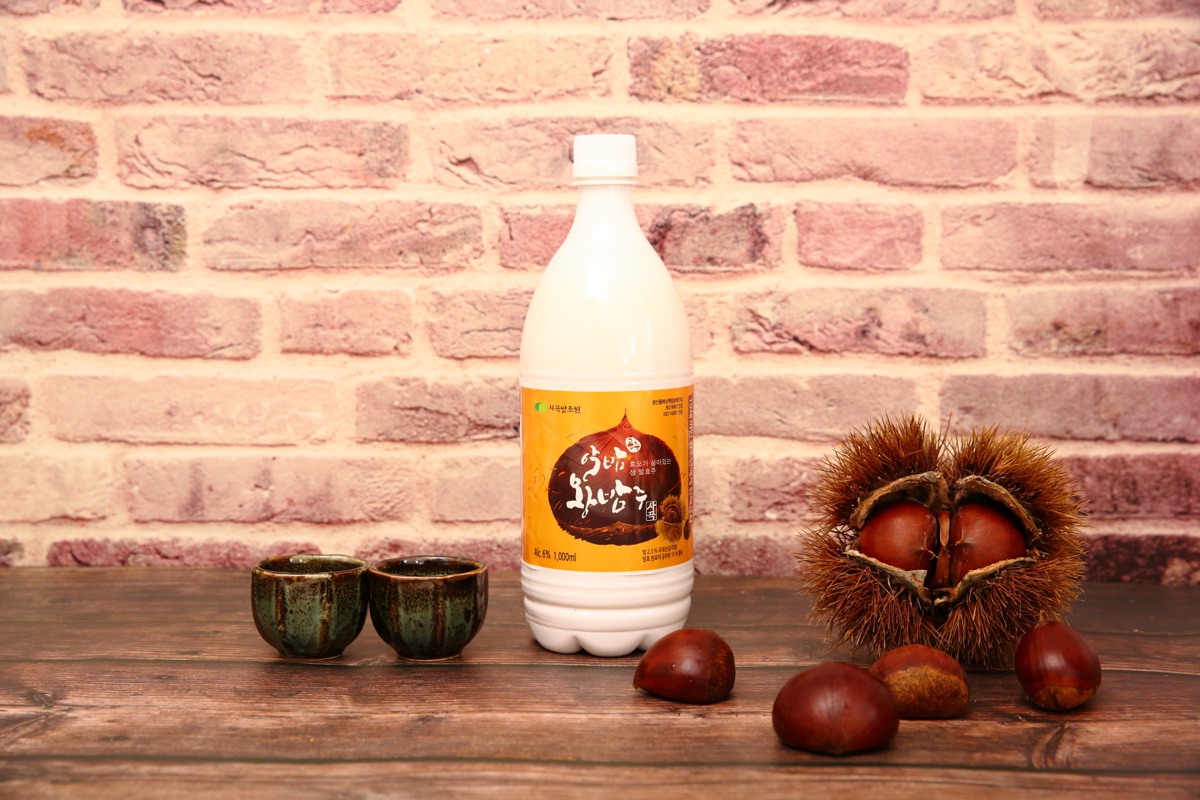
Wangbam: a smaller, less-sweet chestnut bottle
The name resembles Wangbamju, but this is a different drink. Wangbam comes in 375ml at 8% ABV, with a less-sweet, roasted-chestnut profile.
TasteIts color is dark while the texture is described as relatively light. Consider it when savory chestnut and grain appeal more than sweetness.
With foodTry the pairing idea with plain boiled pork and salted shrimp, such as a suyuk meal around Gongju Sanseong Market. Confirm actual menus and drink availability.
View bottle details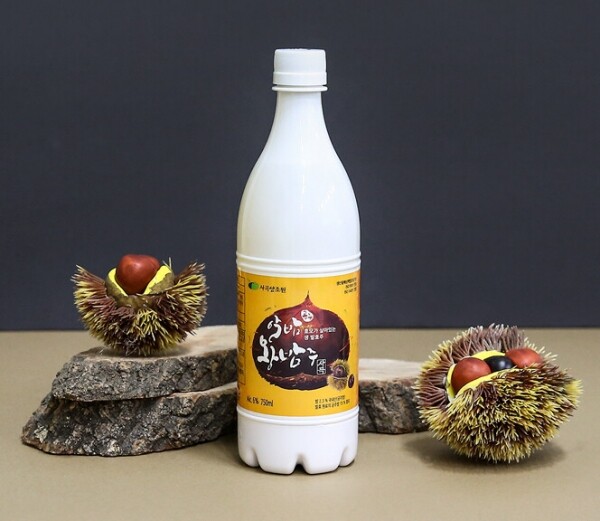
Wangbamju: start here for sweet chestnut makgeolli
Curious about the sweeter side of chestnut makgeolli? Wangbamju is a 6% Gongju drink in a 1,000ml bottle, described with moderate fizz and a soft texture.
TasteSweetness is pronounced and acidity relatively low. The profile describes chestnut savor lingering after the first taste.
With foodConsider seafood pancakes around Gongju Sanseong Market or chestnut dishes at Mimaji. If sharing, choose the amount of food and drink to suit your group.
View bottle detailsMake this a real trip
Explore other destinationsPlan your transport
Check the route from your accommodation to each stop, including the last bus or train back. A brewery address does not mean there is a tasting room.
Transport guide from VisitKoreaBefore choosing a bottle
Makgeolli is a fermented alcoholic drink, usually made with rice. Food pairings here are suggestions; they do not confirm that a restaurant stocks the bottle. Check the menu, opening hours and booking requirements directly.
Need help in your language?
VisitKorea lists multilingual travel assistance through 1330. Travel information and help
Transport resources checked September 5, 2026. Route times and availability are not live.
Sources
- Gongju City Press Release, “Gongju Albam Production” City statement that, as of 2024, about 2,100 Gongju farms produced roughly 7,000 tons annually, or 17% of national production
- Sagok Brewery, Official Takju List Wangbamju at 6%·1,000ml with chestnut aroma, Wangbam Makgeolli listed as a separate product, and the Sagok-myeon business address
- Julism, “Wangbam Makgeolli Tasting Record” A 2017 taster’s notes on roasted-chestnut savoriness, relatively low sweetness, light texture, and dark-brown color in 8% Wangbam Makgeolli
- Firelife, “Albam Wangbamju Tasting Record” A 2025 record of 6%·1,000ml Wangbamju noting gentle sweetness, medium body, refreshing character, low acidity, and moderate carbonation
- Sul Masineun Iyagi, “Gongju Gunbam Makgeolli Tasting” A 2018 record of a 6%·750ml Gunbam Makgeolli bottle bought at a 2017 festival, noting smooth but not light texture and sweetness lasting through the finish
- Suldalda, “Cheonjiin Brewery Information” Cheonjiin’s address in Uidang-myeon, Gongju; Gongju Gunbam Makgeolli at 6%; and an ingredient list including roasted chestnuts
- Sagok Brewery, “Wangbam Makgeolli” Official specifications of 8% ABV and 375ml for Wangbam Makgeolli